10 hours ago
Scientists discover an asteroid molecule that can shed light on life's creation
Periskopi(3 years ago)
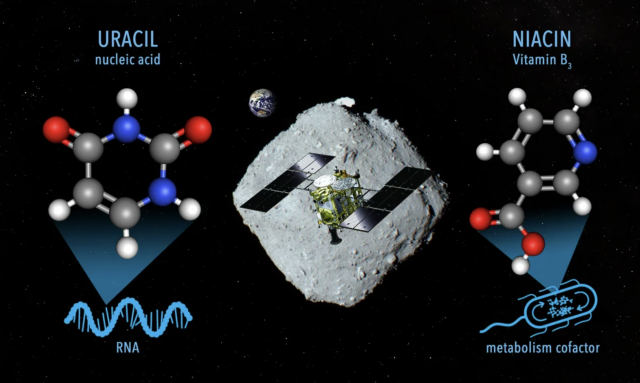
(3 years ago)In samples collected by the Japanese space shuttle Hayabusa2 by Ryugu asteroid, organic molecules have been discovered. When researchers analyzed samples collected from two different regions of the asteroid, they found uracil, one of the building blocks of the RNA, as well as vitamin B3 (Niasin), which is a key factor for metabolism in living organisms. [...]
When researchers analyzed samples collected from two different regions of the asteroid, they found uracil, one of the building blocks of the RNA, as well as vitamin B3 (Niasin), which is a key factor for metabolism in living organisms.
Uracil is one of the azotic bases of nucleotides in DNA and ARN, proteins and molecules that contain genetic information and instructions for living organisms. A study detailing the findings was published Tuesday in Nature Communications magazine.
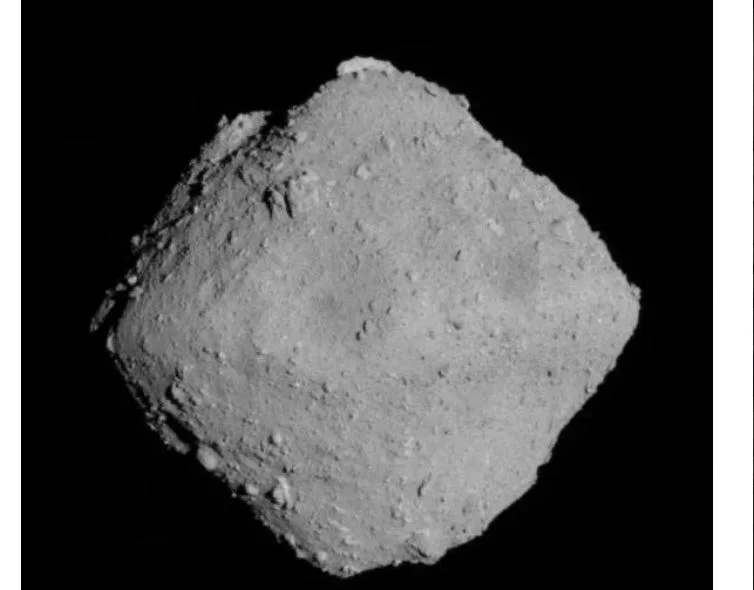
Ryugu is a diamond-shaped asteroid rich in carbon. It's about a mile wide. This was the first mission for Hayabusa2, which was successfully completed after sending a sample from subterranean asteroid to Earth.
“
The mission of the Japanese Airspace Research Agency collected a sample from the asteroid's surface in February 2019 and then fired a <x0lumb” copper in asteroid to create a 10m-wide crater. A crater sample gathered in July 2019 and then Hayabusa2 returned, bringing the champion to Australia in December 2020.
In previous analysis, researchers had identified amino acids and other molecules in Ryugu samples, while uranium and nicin were also found in meteors that have fallen to Earth.
The scientists had found nuleobases and vitamins in carbon - rich meteors, but there was always the issue of pollution from exposure to the Earth's environment,” explained the lead author of the study, Yasuhiro Oba, an associate professor at Hokkaido University in Japan. Because the Hayabusa2 spacecraft collected two samples directly from the Ryugu asteroid and sent them to Earth into closed capsules, the contamination scenario could be excluded from”.
Block Building Life in Space
Researchers discovered molecules when diving particles collected from Ryugu into hot water and analyzed the results by using various surveillance methods, such as water chromography and spectrometers. The team discovered characteristic traces of uranium, nicotine, and other organic compounds containing nitrogen.
Other biological molecules, such as a series of amino acids, amine and carboxic acids, which are found respectively in proteins and in the process of metabolic”, Oba says.
“Foundation names” in meteors
The recent findings from Ryugu samples confirm evidence that the building blocks of life came from space and were brought to Earth billions of years ago, in meteors. Molecules were probably formed through photochemical reactions on ice in space before our solar system was formed.
The concentrations of molecules in both samples were different, but this is likely due to exposure to the harsh environment of space. It is possible that Ryugu was once part of a larger heavenly body, such as a comet, before being torn to pieces by other heavenly bodies. It is also possible that while space reefs crashed into other planets in our solar system, they kept some of the life - building blocks.
“I cannot say that the presence of such substances directly implies the presence or presence of alien life, but at least their ingredients, such as amino acids and nuleobs, can be found anywhere inspace”, Oba commented.
Now researchers want to know how common these molecules are in asteroids. A sample from another asteroid, Bennu, will be sent to Earth in September by the space shuttle O NASA SIIS-REx.
“Window detection in Ryugu samples reinforces current theories about the source of nuleobs in early Earth,” said Obama. “SYRIS-REx i NASA will return samples from the Bennu asteroid this year and a comparable study of the composition of these asteroids will provide further data to develop these theories. ”