11 hours ago
Scientists are using artificial intelligence to shed light on the creation of the universe
Periskopi(3 years ago)
(3 years ago)The first stars of the universe were born into groups rather than individually, according to a study by an international team of scientists carried out using artificial intelligence. After Big Bang, the only elements in the Universe were hydrogen, helium and lithium. Most other elements making up the world around us were created by nuclear reactions to stars. [...]
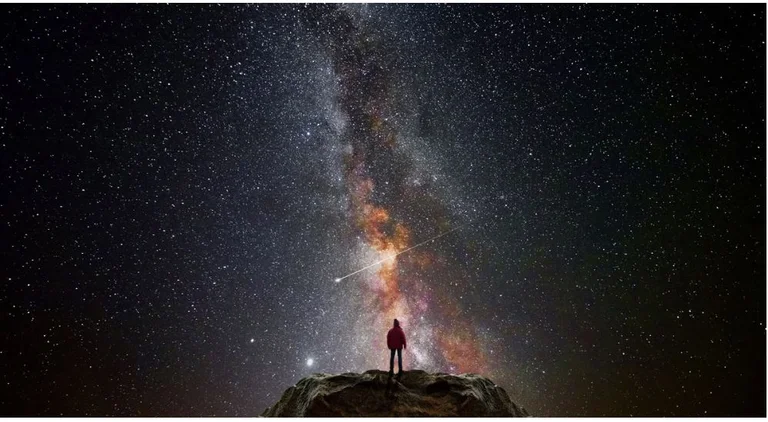
The first stars of the universe were born into groups rather than individually, according to a study by an international team of scientists carried out using artificial intelligence.
After Big Bang, the only elements in the Universe were hydrogen, helium and lithium. Most other elements making up the world around us were created by nuclear reactions to stars. Some elements are formed by nuclear smelting in the nucleus of a star, and others are formed in a star's explosive death.
Scientists have discovered where the first stars were created
The first generation of stars, the first to produce elements heavier than lithium, is of special interest but difficult to study, because no one has been directly observed and everyone is thought to have already exploded as a supernova.
Researchers try to draw conclusions about the stars of the first generation by studying “the chemical subsigning” of the first generation of supernovs that were embedded in the coming generation of stars. Based on their composition, extremely poor metal stars (small but numerous to analyze as a group) are thought to be stars that formed after the first round of Supernova.
In research published yesterday in The Astrophysical Journal, a team of scientists from Tokyo University, Japan's Astronomical National Observatory and the University of Hertfordshire used a new approach using artificial intelligence to interpret chemical composition in more than 450 extremely metals.
They found that 68% of these stars have a chemical signature in line with enrichment from numerous previous supernovas. In order for the remains of some previous superpowers to be mixed into a single star, it's supposed to have occurred in the vicinity, and so in many cases the stars of the first generation must have formed together in the groupings.
The research team hopes to implement this approach in new data from current and planned observer polls to better understand the first days of the Universe.