3 hours ago
The Symptoms of Heatism
Periskopi(4 years ago)
(4 years ago)People with long - term health problems, including diabetes and heart problems, are more at risk in hot conditions. Intervention to prevent heat fatigue and heat shocks can be “saved because people are required to take care of danger signs. Warming is usually not serious if you are refreshed inside [...]
People with long - term health problems, including diabetes and heart problems, are more at risk in hot conditions.
Intervention to prevent heat fatigue and heat shocks can be “saved because people are required to take care of danger signs.
Warming is usually not serious if you are refreshed within 30 minutes, but it should be treated as an emergency if it turns into a heat shock.
Stress fatigue marks include:
• Headache
• Mind and confusion
• Loss of appetite
• I feel sick
• Inflated sweat and pale, wet skin
• Roaring arms, legs and stomach
• Quick breath or higher pulse
• High temperatures 38C or higher
• Being very thirsty
Symptoms are mostly the same in adults and children, but young people can also get sleepy and sleepy.
The heat shock tests may include:
• Shorter breathing or faster breathing
• An attack/crisis
• Loss of consciousness
• Someone doesn't react.
If people are showing signs of heat fatigue, they have to follow these instructions to prevent heat shock from beginning:
• Move to a cool place
• Lie down and lift your feet up.
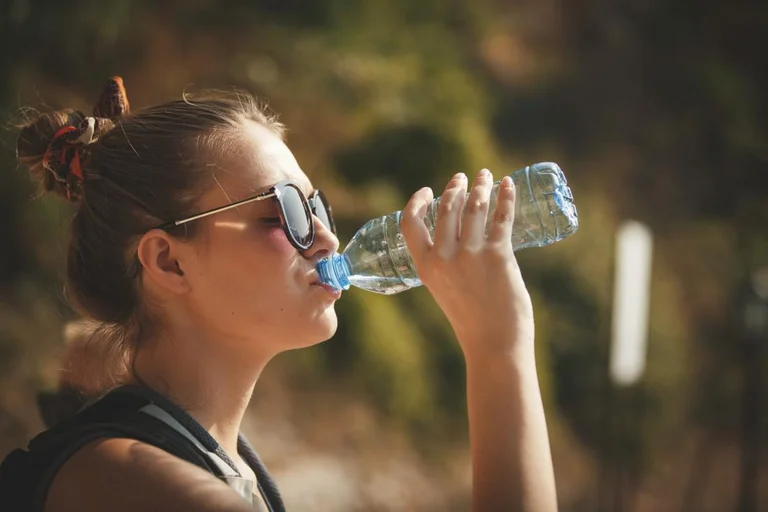
• Drink plenty of water: Sports or hydration are good
• Use a spray or a cold water sponge
• Use cold packages around your armpits or neck
If someone still does not feel well in 30 minutes of rest in a cool place and drinking plenty of water, he is showing signs of heat shock and can contact emergency assistance. Other indicators include no perspiration despite the feeling of heat, confusion, and high 40C temperature.
How can you avoid suffering from the heat?
There are steps people can take to make sure they're safe during a hot wave.
These include drinking lots of cold drinks, taking fresh showers, wearing light and loose clothing, avoiding the sun between 11:00 and 15 a.m., avoiding excessive alcohol and not doing extreme exercise.
Doctors have also given further advice to help maintain health during the heat wave. These include not consuming too much caffeine because “can cause you to lose more fluid”.
People can also monitor the color of their urine to ensure that it is pale this good sign shows that you are sufficiently hydrated”.