3 hours ago
What to Eat and What to Avoid during Ramadan
Periskopi(4 years ago)
(4 years ago)During Ramadan, to meet the amount of energy and nutrients your body needs during the day, you must eat protein - rich foods, carbs, vitamins, and minerals, and you must make sure that you drink plenty of water. Adults need to drink between 3 and 4 liters of water a day. Though I do [...]
During Ramadan, to meet the amount of energy and nutrients your body needs during the day, you must eat protein - rich foods, carbs, vitamins, and minerals, and you must make sure that you drink plenty of water.
Adults need to drink between 3 and 4 liters of water a day. Although you receive 40% of this from food, fruit juice, mineral water, tea, and other drinks, you still have to drink 1.5 and 2.5 quarts [2.5 L] of water a day. That means you should drink two or three glasses of water every hour from iftar to eye.
One of the most common mistakes is to eat the snacks behind the Iftar in order to suppress your appetite and then sleep, leaving the eyebrow and staying hungry to the next iftar. You always have to eat during the syphyr, probably before you start fasting. Food before sleep or avoiding syphyr eating can cause serious problems such as lowering blood sugar and dehydration. As a result, you may feel distracted and distracted during the day, informs abcnews.al.
So, what do you have to eat during the syphyr to feel more energetic all day?
A light, healthy, full morning is a fine opportunity. Before sunrise, you can eat fresh milk products and vegetables such as cheese, eggs, tomatoes, and cucumbers. Moreover, you can enjoy soup, vegetables cooked in olive oil, and fruit.
This combination meets your body's daily needs for energy, vitamins, and proteins. In addition to fruit, you should eat wheat bread and pasta, corn kuschus, or blubber, and fiber, which are good for your digestive system, inform abcnews.al.
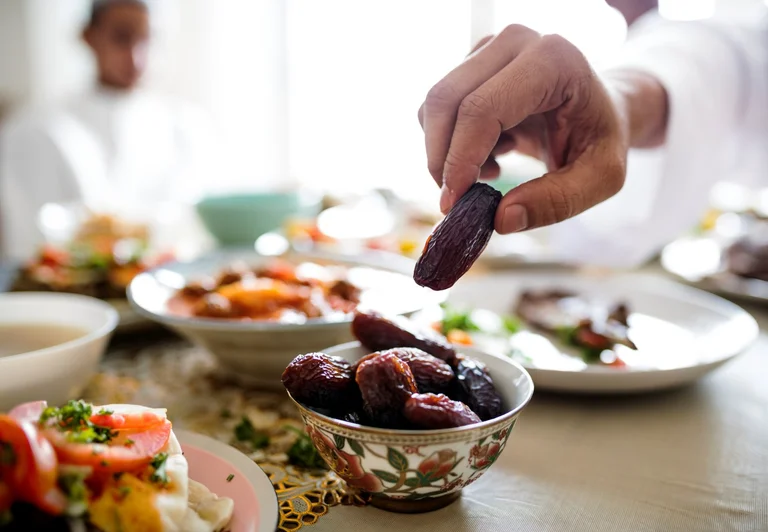
Dry fruits such as dates, nuts, and almonds are also excellent food supplements. They can make you feel satisfied for long hours throughout the day.
Healthful, hydrated stay during Ramadan
During Ramadan, you must avoid daily activities that can dehydrate your body. If you exercise regularly, you should continue to satisfy your daily needs of energy, protein, and water while you are not fasting. Furthermore, lower your length of training by 30% during Ramadan, suggests abcnews.al.
Failure to fast food that easily digests is a good, healthy opportunity. During Ramadan, people tend to eat plenty of food very soon after many long hours of fasting. But try to disrupt the fast with soup, then water, ajran, or freshly squeezed juice so that you can hydrate your body after a long day of dehydration, and then eat the main plate 10 or 15 minutes later. This will prevent the overtaking of food by giving you a sense of satisfaction, which in turn will help your digestive system.
Ramadan is a sacred month for Muslim believers, and as you can see, there are many opportunities to fast and remain healthy and fed.