How to Treat Xhafer Deva figure, according to historian Gashi
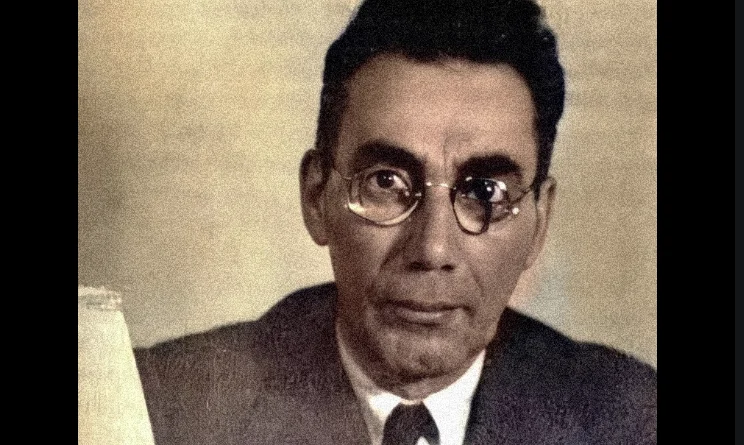
 (4 years ago)
It says: Ibrahim Gashi is of interest to say two words about the initiative case for the restoration of Xhafer Deves' house and reactions that burst into opinion. The restoration of the house and the personality of Xhafer deves must be seen separately. The home building of Xhafer Deves is one of the most important monuments in terms of culture [...]
It is of interest to say two words about the initiative in restoring the House of Xhafer Deves and the reactions that burst into opinion. The restoration of the house and the personality of Xhafer deves must be seen separately. The home building of Xhafer Deves is one of the most important monuments in terms of the urban culture of Mitrovica City. Western architectural and symbolic style of the city's most monumental object make it important as a project for restoration of which it needs to be invested.
As for the Xhafer Deva figure, it must be seen in all its lights. He was a nationalist and anti-communist Albanian, as well as many other national-democrat figures in Kosovo and Albania during the years of World War II. From a critical historical perspective, without ideological influences, this figure should be treated with more caution even because of the initiative that has already established in certain political and academic circles. I think it's urgent and without arguing about the full rehabilitation effort of this figure, without the possession of archive documents of Western prosperity (Americans). Also, it may be found wrong to insist on keeping the Xhafer Deves figure stigmatized by socialist history as a cruel Nazi officer who committed crimes against Communists and Jews.
If we prove that interpretation of this figure to contextize in the years of his life after the war, a logical conclusion, but still undeniably untested, it would be that Xhafer Deva was a nationalist and an Albanian anti-communist who may have committed the murders of Communists, but there is no proof that he committed the murders of Jews in Albania or in Kosovo, for the fact that a Jewish follower and killer could not obscure the last two denicities of his life in the U.S.A. We need to track more on archive documents. So we historians need more institutional support.