4 hours ago
New Study: Why Children Should Play Dolls Despite Sex
Periskopi(4 years ago)
(4 years ago)One study has revealed that playing dolls encourages children to talk more about the thoughts and emotions of others. Research suggests that imaginary puppet games can help children develop social skills and sensitivity. The scientist who led the study said that the educational value of the Lego game and construction toys [...]
One study has revealed that playing dolls encourages children to talk more about the thoughts and emotions of others.
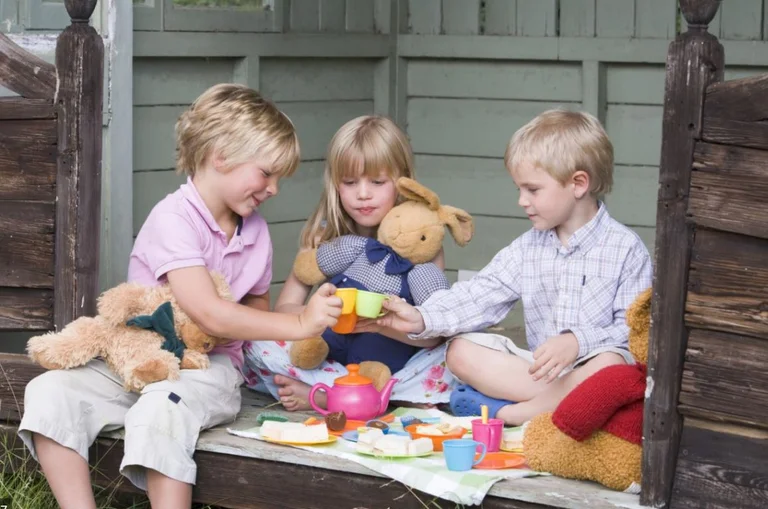
Research suggests that imaginary puppet games can help children develop social skills and sensitivity. The scientist who led the study said that the educational value of the Lego game and the construction toys of things was widely accepted, but the benefits of the doll game were ignored.
When children create an imaginary world with dolls, they first communicate aloud and then absorb the message about other people's thoughts, emotions and feelings,” told Guardian Dr. Sarah Gerson, a neuroscientist at Cardiff University and the lead author.
This can have long-term positive effects on children, such as promoting higher levels of social and emotional processing and building social skills such as empathy that can be absorbed in building and forming habits throughout life. ”
The study, funded by Barbie's producers and published in the Development Science magazine, included 33 boys and girls, aged four to eight, who were given a collection of Barbie dolls and toys such as an ambulance or a horse to play.
The study revealed that children spoke more about the thoughts and emotions of others - a concept known as the inner language when playing with dolls compared with other games. They were also more likely to address dolls in second person, speaking directly to them, while characters on the computer screen tended to refer to the third person. At this point, there was no distinction between boys and girls.
The inner computer may indicate that a child is thinking about other people's thoughts and emotions while playing with dolls,” said Gerson.
The study also revealed that increased growth in brain activity in the back area known as pSTS when talking about their dolls having thoughts and feelings. The pSTS region is believed to be involved in developing social and emotional processing skills.