12 hours ago
The dangers of tap water, the care you need to show
Periskopi(4 years ago)
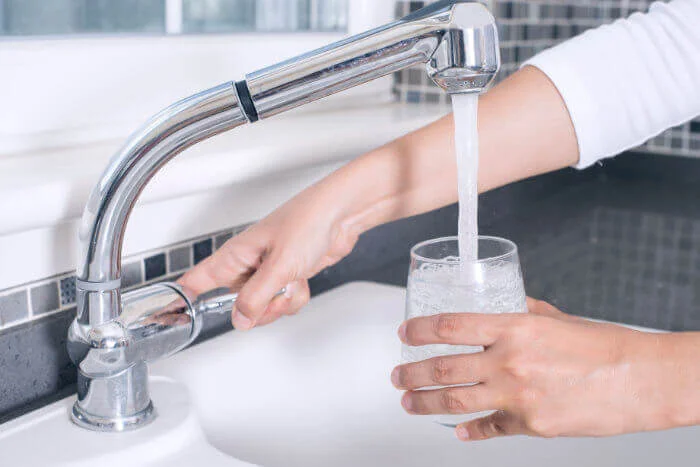
(4 years ago)In many parts of the world, including Albania, water contains chlorine. In principle, that is good, but in practice we can view it as a necessary evil. Clorising is done according to its source of water and pollutants. Studies show that chlorified water is not completely safe, yet dangers [...]
In many parts of the world, including Albania, water contains chlorine. In principle, that is good, but in practice we can view it as a necessary evil. Clorising is done according to its source of water and pollutants.
Studies show that chlorified water is not fully safe, yet risks in health are minimal compared to the benefits that this process brings.
The fact is, since the 1900 ' s, water filtration and chlorification have helped destroy many water bacteria that cause disease. Adding chlorine to water does not mean that water is clean. Scientists in each liter of faucet contain millions of microorganisms.
Dangers From Clorified Water
Since 1974, scientists have discovered that chloride by - products used to disinfect tap water causes cancer. Subproducts in question form when chloride comes in contact with organic matter in water.
The dangers of these by - products include bladder cancer and problems with the reproductive system.
A study conducted in Taiwan revealed that consumption of chlorified water increases the risk of lung cancer, bladder, and kidneys.
The Risk of Cancer as a Cause of Chlorification
Drinking chlorified water increases the risk of cancer by 93%, says a study by the American Council for Environmental Quality.
On the other hand, many other medical studies show that in many women who suffer from breast cancer, they have in their body 50 to 60 percent more harmful chloride byproducts. Another study says that long - term drinking of chlorifrated water increases the risk of bladder cancer by 80 percent.
However, drinking water with chlorine is only half the problem.
The use of swimming pools is equally bad for the organism.
Other Dangers for Man
Nowadays, many bacteria are creating high resistance to antibiotics and traditional disinfectation practices.
Experts fear the facts that chlorification will be transformed into a crucial factor in the growth of harmful and highly resistant microorganisms.
Water systems have become a hot hearth of these microorganisms, while authorities continue to use chlorine as cheaper alternative but no longer efficient in water cleaning.