16 hours ago
A simple test that measures the age of the eye retina reveals how long you will live
Periskopi(4 years ago)
(4 years ago)A simple eye test may give doctors clues about how much time a person has left for living. A team of international researchers has discovered a link between the biological age of a person's eye retina and the risk of death. The membrane in the back of the eye contains light - sensitive cells that begin to deteriorate during middle age. A study with almost [...]
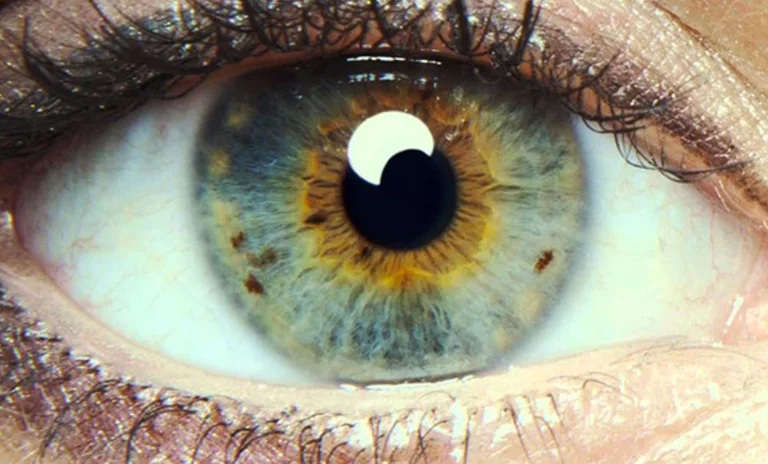
A simple eye test may give doctors clues about how much time a person has left for living. A team of international researchers has discovered a link between the biological age of a person's eye retina and the risk of death.
The membrane in the back of the eye contains light - sensitive cells that begin to deteriorate during middle age. A study of almost 47,000 adults found that people whose retina was the oldest “ ” that their current age were more likely to die over the next decade.
The discovery could lead to a routine control tool for a series of life - threatening diseases, including Alzheimer's. “Retina provides unique accessive “to assess the fundamental pathological processes of vascular and neurologic diseases, which are accompanied by increased mortality risk”- says chief study author Dr. Mingang He from Australia's Eye Research Center.
Researchers monitored participants in the study on average for 11 years, all between the ages of 405069. Each person was scanned by the end of his eye surface as part of the Biobank study in Great Britain. The team then compared the biological <x0-year age” of each retina to the chronological age of that person, revealing a <x2hend of the age of retin” to many participants.
The greatest disparity was linked to a higher risk of 4950 percent of death from any cause other than cardiovascular disease or cancer. This happened after they took into account potentially influential factors such as high blood pressure, the Body Mass Index (BMI), lifestyle habits and ethnic affiliation.
Our new findings have established that the retina's age gap is an independent predictor of increased risk of mortality, and especially the mortality rate from non - cardiovascular or cancer - related diseases. These findings suggest that the age of the retina may be a clinically important biomarker of aging”
For every 1 year increase in the retinaal age gap, scientists found a 2-3 percent increase in death risk from any cause or specific cause. Data indicates that the network of small vessels in the retina is a reliable indicator of the overall health of the bloodstream and the brain.
The team confirmed their testing model, using about 19,200 images of the skirt from the right eye of 11,052 participants, who enjoyed relatively good health. He showed a strong link between the projected age of the retina and the age of the real. The same process applied in the left eye produced similar results.
Experts then praised the retina's age gap at 35.917 other volunteers. During the study period, 1,871 (5) participants died. From this group, 321 (17 percent) died of cardiovascular disease, 1018 (54.5 percent) died of cancer, and 532 (28.5 percent) died of other causes, including degeneracy