an hour ago
Albania, country with highest risk from natural disasters across Europe
Periskopi(5 years ago)
(5 years ago)Albania is the country with the highest risk from natural disasters across Europe. This is the World Risk Index's assessment, a publication that analyzes both the exposure to various disasters and the affordable capacities of a country to overcome these crises. Fires, droughts, floods, earthquakes, and other disasters [...]
Fires, droughts, floods, earthquakes and other disasters cost Albania an average of 2.5% of GDP each year, affecting the lives of thousands and the activity of many businesses, especially in the field of agriculture.
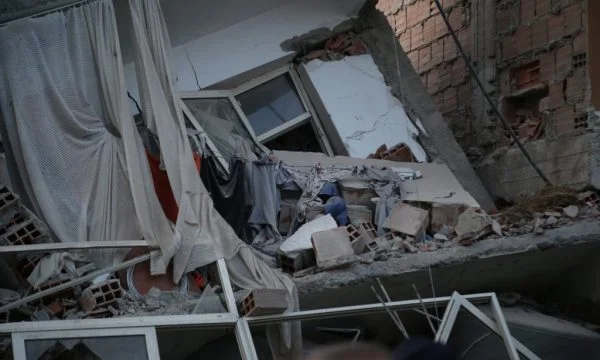
But despite the great risk, Albania has made no progress to prepare in such cases. The lack of affordable capacities is calculated according to the recent study at 74.99% of cases, while 4 years ago, this indicator was lower, at 74.23%. So Albania has deteriorated in this direction and is highly dependent on the assistance of neighbouring countries, as happened in the case of the November 26, 2019 earthquake, when rescue operations were run almost entirely by foreigners.
A 2020 State High Control audit near the National Civil Protection Agency found that this agency was incomplete with human resources, without a National Strategy for Disaster Reduction of Risks, without record of events taking place, with poor co-ordination with other institutions, through communication made through the Whatsapp and without any warning information on disasters.
A year later, these problems result in only partially addressed.
Many back - up obligations are also heavy on this institution. In all, $711 million in damages to floods and earthquakes in the country over the years, as well as $146 million for fire - extinguishing operations in 2017.
But despite debts and the summer of fires on the horizon, the government lowered the budget to this institution by about 124 million dollars with the last norm act of June.
The situation is not better in the 61 municipalities, which after territorial reform is tasked with the Protection of Fires. In local government today, 1250 firemen, 500 more than 2014. Increasing also is the number of fire stations, from 38 to 70, and the number of vehicles, from 105 to 150.
However, the situation remains critical with an average of 500 fire cases and about 8,400 hectares burned annually, higher than the average of 3100 hectares before reform. The reason why municipalities and experts have repeatedly appealed for more emergency funds.