11 hours ago
Study: How many years of life are cut short by loneliness?
Periskopi(5 years ago)
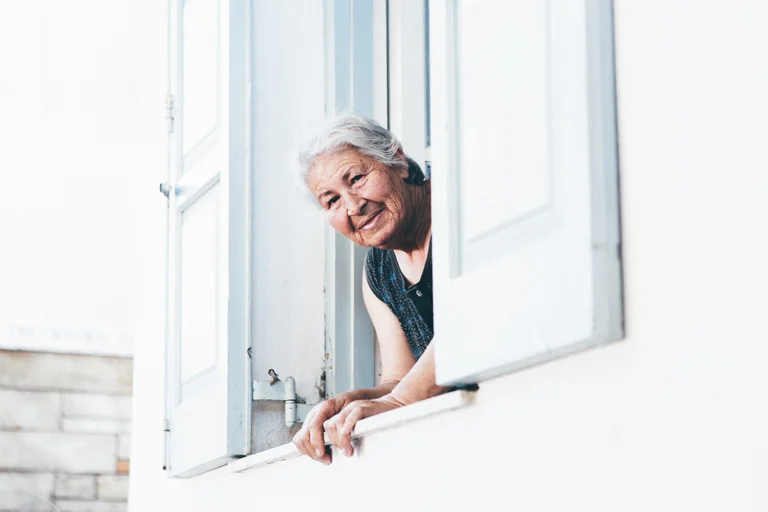
(5 years ago)Loneliness can have a negative mental and physical effect on anyone. But its impact on the elderly is well-documented. Previous studies have found that loneliness can not only lead to mental health problems but can even cause the appearance of diseases such as degeneracy. Now a study of [...]
Loneliness can have a negative mental and physical effect on anyone. But its impact on the elderly is well-documented. Previous studies have found that loneliness can not only lead to mental health problems but can even cause the appearance of diseases such as degeneracy.
A new study now revealed that the feeling of loneliness during old age could shorten the lives of many. Report from Duke Medical School - NUS in Singapore reveals that adults over the age of 60, who say that sometimes or always they die until 5 years faster than older ones who do not feel lonely.
“We discovered that lonely elderly people can expect to have a shorter life than their peers who do not perceive themselves as lonely” - says the lead author of the study, assistant professor Rahul Malhotra.
In addition to being related to coronary disease, 2019 was also the time when the number of adults over 30 was for the first time in recorded history, marking the beginning of an increasingly older world.
As a result, loneliness among the elderly has become a matter of concern to the public and social health” talks to associate professor Angelik Chan, Executive Director of the Duke Center. - NUS for Research on Aging.
The authors of the study add that the results of this study are just in time because of orders to stay at home and the social distance that many aged ones carry because of the coronary pandemic.
The study reveals that people aged 60 who say they are lonely for a part or all the time have a life span that is 3-5 years shorter than their peers. For one who is lonely and is 70 years old, life expectancy is cut by 3-4 years.
For those at 80 years of age, loneliness decreases life expectancy by 2-3 years. The study also reveals that elderly ones who feel lonely experience decline in other health parameters for the rest of their lives.
These include the remaining years and years, they believe they will be able to carry out their daily activities without restrictions. Like general life expectancy, adults aged 60, 70, and 80, saw the decline of these parameters when they perceive themselves lonely at least in some cases.
But does culture play a role in loneliness? Researchers say the findings are particularly important in countries such as Singapore, which they describe as being in a culture “-cooperativeist” and a population that has rapidly grown older. Since the connection between people there is more important than elsewhere, the authors of the study say that being alone has a more harmful effect than in countries that are in “individualistic”.
Moreover, a 2016 report ʹTraditions in Health, Employment, Social Action, and Interreference Translations in Singapore (THE SIGNS) found that 34 percent of Singapore's old citizens consider themselves lonely. This percentage rose to 40 percent among those 80 or older.
Our research findings highlight the impact of loneliness on the health of the population, and the importance of identifying and managing it to the elderly”- Malhotra says. In 2018, Great Britain began implementing a national strategy for dealing with loneliness.
Meanwhile, Japan established the Ministry of Loneliness this year, which will deal specifically with this problem.