12 hours ago
The difference between deodorant and Anti-Man: Is there any connection to breast cancer?
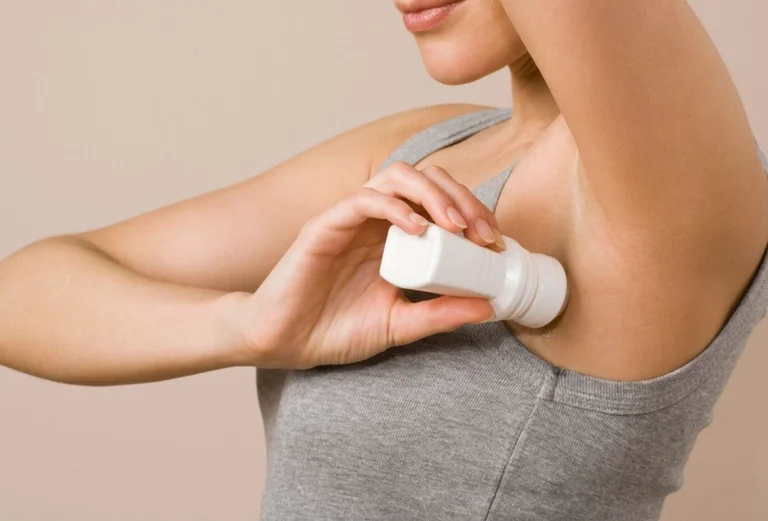
Periskopi(5 years ago)
(5 years ago)Deodorants and Andidiers work in different ways to reduce body scent. Deodorates are formulated to eliminate the smell of armpits, but not sweat. They usually contain alcohol, and when applied, they make their skin more acidic, enabling a less attractive environment for bacteria. Deodorates contain perfume to reduce the smell. Antimanages have [...]
Deodorants and Andidiers work in different ways to reduce body scent.
Deodorates are formulated to eliminate the smell of armpits, but not sweat. They usually contain alcohol, and when applied, they make their skin more acidic, enabling a less attractive environment for bacteria. Deodorates contain perfume to reduce the smell.
Antimanages have active components, including aluminum bases that temporarily block perspiration ports. Porting reduces the amount of sweat that reaches the skin.
The U.S. Food Control and Bars Administration (FDA) considers deodorants to be cosmetic products that clean and adorn; while anti-dixs like treatment drugs prevent a state of disease or affect the body structure and function.
Two are the main benefits of deodorant and antidive: moisture and smell.
The sweat is a cooling mechanism that helps us to remove excess heat. The armpits have a higher density of sweat glands than other areas of the body. There's no strong smell in there. It's skin bacteria that make the scent. The wet warmth of the armpits is an ideal environment for bacteria.
If you want to reduce your armpit's moisture and excess sweat, you need to use antidierre. If you don't sweat too much and just want to smell fresh aroma and limit the wind, you need to use deodorant.
Bay cancer risks [?]
Aluminium - based ingredients keep the sweat from coming to the surface of the skin by blocking glands. There is concern that if the skin absorbs these aluminum compounds, they can influence the receptors of the breast cell estrogen.
However, according to the American Cancer Society, there is no clear link between cancer and aluminum in the space. The breast cancer tissue doesn't seem to have more aluminum than normal tissues.
Only a small amount of aluminum is absorbed (0.0012%) based on the research on antidiscess in aluminum chlorides. Other research shows that there is no connection between breast cancer and armpit products
Other studies, however, also recommend that despite there is no record of a connection between anti-sands and breast cancer, further research is needed to be carried out.