11 hours ago
These skin alarms indicate dangerous diseases
Periskopi(5 years ago)
(5 years ago)Frozens, deposits, spots, rashes, mole changes: Our skin reacts in many ways to toxins in the environment. If the skin is “concerned”, this often indicates that hormonal fluctuations, excessive stress, and even fast food can be the culprits for rash and similar. Frustrated skin - care products with many [...]
Frozens, deposits, spots, rashes, mole changes: Our skin reacts in many ways to toxins in the environment.
If the skin is “concerned”, this often indicates that hormonal fluctuations, excessive stress, and even fast food can be the culprits for rash and similar.
The irritability of skin - care products with a lot of alcohol or perfume may also cause allergic reactions in particularly sensitive skin.
But if the dirty and fried skin is a permanent state, there may be a deeper health problem behind it, says dermatologist Joana Gach from the Spy Parkway Hospital in England.
If the signs of the specimen, for example, last for several days, a visit to a dermatologist is recommended.
“I hope it's a harmless thing to treat with drugs”, Gach says. “But often you don't feel the most dangerous diseases because they don't cause pain. That's why it's important to take any sign “seriously.
The disease occurs when the liver does not function properly and cannot properly filter toxins from the body. As a result, bilub substances are developed, which are responsible for the yellow color of the skin and the white skin around the eyes. If so, dermatologist will order some tests of urine and blood to determine how well the liver works.
- The feathers in the breast: Doctors often urge women to feel the bump to discover breast cancer at an early stage. However, even small dives or wrinkles in the chest may be indications, according to dermatologist. But with red stripes, swollen or leather that look like orange bark, alarm bells must be dropped. Hence, a dermatologist advises each woman to visit a dermatologist if these changes persist for more than three weeks and if the story of eczema or psoria is not known.
Knots of coffee around the neck: this may be a symptom of diabetes also known as “Acanthosis nigricans”. Patients, mainly overweight people, then have darker, thicker skin areas around their neck, under their armpits, or in their hips ' area. Most also feel dry and harsh in touch.
If you add symptoms of flu and stomach pain, hepatitis C infection may be hidden behind it. The virus is spread with contaminated blood and causes not only skin to be very painful but also purple and ulcers around the ankles. Hepatitis C does not often occur, but if left untreated, it can also be fatal, Gach explains. A blood test in a family doctor should provide a clear mirror.
The scales of scales, red on the finger joints - they can tell what is known as dermatomiosis. It is an inflammatory muscle disease caused by a highly active immune system. Often a malignant tumor causes excessive body reaction. Another sign of this may be a purple fry on the upper eyelids. Other symptoms include deliberate weight loss, cough, sweat at night, fatigue, and drowsiness.
The skin hardens: This is often caused by an autoimmune disease called scleroderma. Here the troubled immune system attacks tissue under the skin and internal organs. A rare disease causes the strengthening of the skin of hands, legs, and faces and loss of flexibility.
Yellow breath: this is another indicator of diabetes. Because it touches the whole body, the skin is also touched. High cholesterol levels and insulin resistance lead to the fact that skin, touch, forms strong accusations, yellow, and wax.
Very dry skin and drizzle: this may indicate an inactive thyroid gland. It is recommended that you order a blood test from your family doctor and complete the unactive thyroid hormones.
Dark wrinkles in the palm: If those affected feel the flu or fatigue, and their muscles are weak, this may be the first sign of kidney insulin. In especially serious cases, dizziness and cramps may occur. While the disease is extremely rare, Gach concludes that if you have any symptoms, you should check with your doctor.
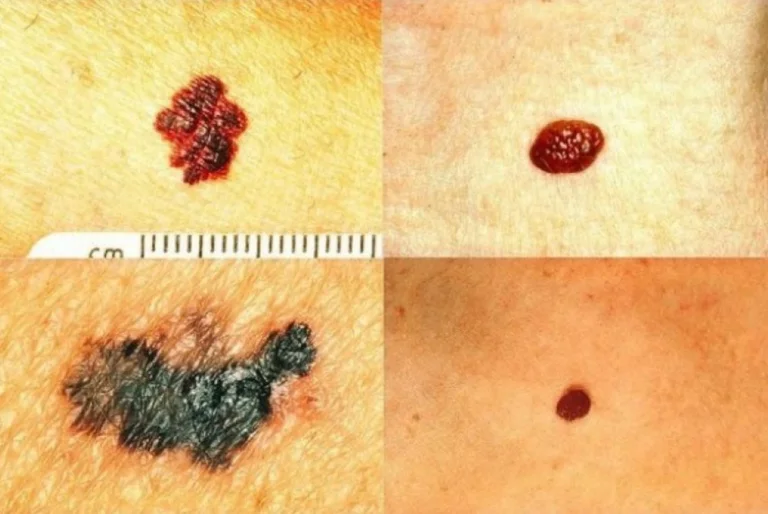
Special attention is given to pigment signs, also known as birthmarks or moles. They are usually harmless in themselves, but under certain circumstances they can develop into a malignant skin tumor. If the mole, which has been the same for years, changes or shows new moles, is advised to show it to a dermatologist.
You should consult a dermatologist immediately if:
existing Mol changes size, shape, or color
Nishani begins to scratch or bleed.
If you notice an abnormality that makes you feel insecure, show your doctor that it's better to control them unnecessarily than too late.