12 hours ago
Red string: Possible Causes and Treatments
Periskopi(5 years ago)
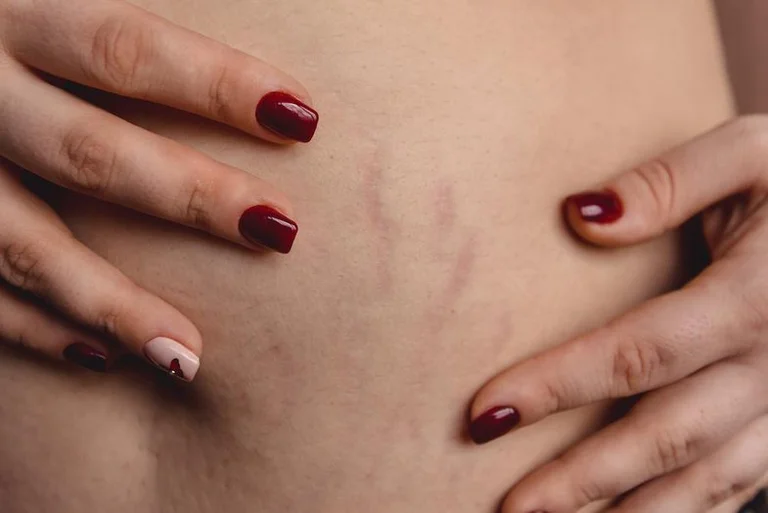
(5 years ago)Why are they red? Stripes are a common skin condition. They occur in response to the rapid length of the skin. At first, strips usually look red. They can also change color: pink iʹglud and black while the bed is healed, they become white and continue to fade over [...]
Stripes are a common skin condition. They occur in response to the rapid length of the skin. At first, strips usually look red. They can also change color:
Pink
purple
Black
As the strips heal, they become white and continue to fade over time.
Since strands occur from stretching the skin, the resulting red signs are the most common in certain parts of the body at risk for extension. These include belly, thighs and hips. Anyway, strippers can appear anywhere.
Red vs white
You might think of new stages as minor injuries to the skin. The skin has a mild inflammatory response as the tissues try to adapt to the effects of alignment. That explains why the lines are originally red.
Red doesn't last forever. As stages heal, they will eventually become white and begin to become less visible and fade over time.
Causes
Weight Change: The increase in weight in a short time puts pressure on the skin, which must stretch to accommodate the body's mass. Depending on where you add excess pounds, red strands appear. Sometimes sweat can also occur because of rapid weight loss.
The pregnancy: During pregnancy, women can experience rapid body growth, especially around the abdomen, thigh, and hips during the second and third quarter. Adult pressure can extend the skin, leading to red sheets.
Growth: Teenagers may have red walks during puberty. These are the result of rapid body growth and not necessarily weight gain.
Quick muscle growth: Both weight training and body construction can sometimes lead to red vents from muscles that grow much larger in a short period of time.
Heart zoom: Raising the breast may result in an extended skin in the chest area.
Family History: Strings are likely to appear as a result of genetics.
Medical status: In addition to the rapid increase in weight or weight, other basic health issues may cause distribution. These include Ehlers-Dalos syndrome and Custing syndrome.
Treatments
Strings fade automatically over time. There is no way to completely remove them. Still, certain dermatological treatments can make red stages less visible.
Talk to dermatologist about some of the treatments used for strippers, including:
Rtinoide Kremlin
Light and laser therapy
Microdermabrasion
chemical Peels
Domestic Treatments
Not all travel treatments work, and some of them come at a great price without any guarantees. Instead, you may experience some treatments at home
Creme without prescription (OCT): Some OTC creams are designed especially for strippers and can contain ultra-hydrated ingredients such as cocoa butter, coconut or olive oil, and vitamin E. Your skin may be softer and flexible, but there are few studys on the effects of your bed. According to the American Academy of Dermatology, the key to the success is to massage the product well in your skin.
Incinerative products: They can help cover up sweltering, making them less visible. You don't have to get caught in the sun without getting off the red lines.
Aglic acid: Some products contain glicolic acid, intended to soften strands in the skin.
Diet: There is no food that can be taken away as if by magic, but some nutrients affect the health of the skin and reduce the appearance of the strippers. These include proteins, vitamins A, C, and D, as well as mourning.
Sources: Cleveland Clinic, Healthline, Mayo Clinic