8 hours ago
What happens to astronauts as they return from space
Periskopi(5 years ago)
(5 years ago)Space has always been <x0 belier” to explore and with the same passion that astronauts explore space, Earth researchers explore the effects of long space flights. What happened to astronaut troops after they returned to Earth? The damage to DNA ionizer radiation is the main concern for astronauts because it can harm DNA [...]
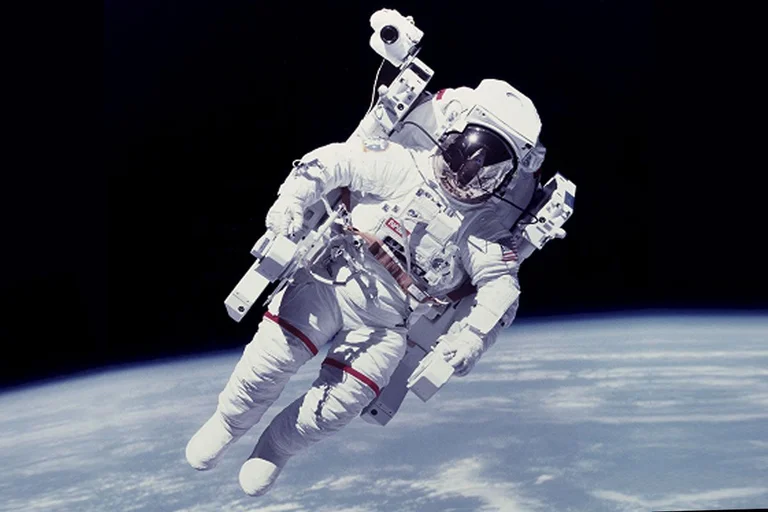
Space has always been <x0 belier” to explore and with the same passion that astronauts explore space, Earth researchers explore the effects of long space flights. What happened to astronaut troops after they returned to Earth?
DNA damage
Ionic radiation is the main concern for astronauts because it can harm DNA and other molecules in the body.
“Rusem is not such a problem during the mission, but the fear is that astronauts can have higher levels of cancer after mission”, says Alan Hargens, a professor and director of the Orthopedic Physiology lab at the University of California in San Diego.
In space, ionizing radiation comes from solar flares and cosmic rays. It is also present on Earth, labeled in smaller amounts by radioactive materials. Earth's magnetic field and atmosphere protect people from ionizing radiation. But as astronauts flee the Earth, this protection decreases.
Concrete skills (recognition)
Scholars are referring to two twin brothers, Scott and Mark Kelly. Scott has spent a year at the International Space Station, while his brother stayed on Earth. They submitted to some tests. While in space, Scott's speed and accuracy were similar to that of his brother.
But after the return, its speed and accuracy decreased to most of the tests. This effect lasted very little, for about six months, and then his condition improved. Basically, it doesn't remain a problem of concern, but it leaves room for further research.
The Problems of Seeing
Of the approximately 300 astronauts surveyed, 29% who completed short-term missions and 60% who made long-term missions reported visual problems.
Scientists do not know exactly how this situation develops, known as the neuro-ocular syndrome associated with space flights. It is likely because of the displacement of body fluids to the head as a result of lack of weight.
Changing muscle mass and cardio function
Long - term space flight causes changes similar to the lack of physical activity on earth.
Important changes in breathing, mass and muscle and cardiovascular function are known to occur after space flight,” said Carl Adde, an assistant professor of exercise physiology at Kansas State University in Manhattan, Kansas.
Astronauts may be able to minimize these effects with special diets, medicine, and exercise. Researchers are also looking for ways to simulate gravity during training to give the body full training.