12 hours ago
Some practical advice to make fasting more simple!

Periskopi(5 years ago)
(5 years ago)Today is the third day of the month of Ramadan. Until May 12, Muslim believers fast from sunrise to sunset. Fasting is practiced for religious and spiritual reasons, and although popular among Muslim believers, it is actually the practice of other religions, such as Christianity, Buddhism, and Judism. [...]
Today is the third day of the month of Ramadan. Until May 12, Muslim believers fast from sunrise to sunset. Fasting is practiced for religious and spiritual reasons, and although popular among Muslim believers, it is actually the practice of other religions, such as Christianity, Buddhism, and Judism.
Some practical advice doctors recommend to facilitate this month's fast includes:
Do Not Avoid Morning Meal
There are only two possibilities to eat during Ramadan: early mornings before sunrise (Sohoor) and after sunset at sunset (Iftar). The morning meal may be easy to overcome, as it is difficult to eat so early in the morning. Nevertheless, doctors say that it is extremely important to avoid spending this meal. Your food choices will affect your energy throughout the day.
Many people go to simple carbohydrates for breakfast, but they do not provide long - term energy. Instead, consume more whole grains, healthy proteins, fruits, vegetables, and so on.
Hidraming
Water consumption is vital and has many health benefits. Dehydration, along with many other problems, can result in mood swings and increased fatigue. How, then, can you be hydrated if you cannot drink water between sunrise and sunset?
Use the time when you can consume food to get all the hydration you need.
Keep a bottle of water nearby all night long and drink whenever possible.
Try to include as much food as possible in a diet (domate, cucumbers, strawberries, saddles, and so on).
Hot weather
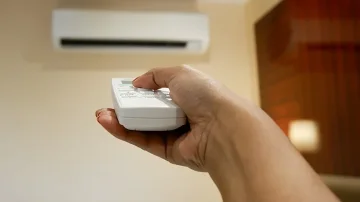
During temperatures that are high, try to dress freely and stay in cool places.
Take care of food and portation
Traditional foods can be fatty and heavy, and although they taste wonderful, tomorrow may find you swollen and tired. Try to eat healthy or create a balance with “a little of all”. Remember this is not a one-day event, but a month-long event.
Nowadays, interrupted fasting is one of the best - known trends in health and finance. This practice is known as Intermittent Facing (IF) and is a pattern of feeding, which is realised in cycles between eating and fasting. The IF does not specify what to eat, but when to eat.