12 hours ago
Men's contraceptions can be realized sooner than we thought: What is known so far!
Periskopi(5 years ago)
(5 years ago)Six decades after the invention of the pill for women, a male hormonal contraceptive is on the horizon as an invasive clinical test is conducted. 450 couples will try for a year, and during that time the partner will apply each day to the chest, shoulders, and upper wing. James Towers, 29, and Diana Bardsley, 27, are [...]
Six decades after the invention of the pill for women, a male hormonal contraceptive is on the horizon as an invasive clinical test is conducted.
450 couples will try for a year, and during that time the partner will apply each day to the chest, shoulders, and upper wing.
James Owers, 29, and Diana Bardsley, 27, are among 450 couples who will test the gel in a test that scientists predict will demonstrate a equivalent effectiveness to the feminine pill and that it can transform social attitudes towards reproductive control and pregnancy.
“Burrat need more options. Right now, it's easy for them to just say "is my fault," says James.
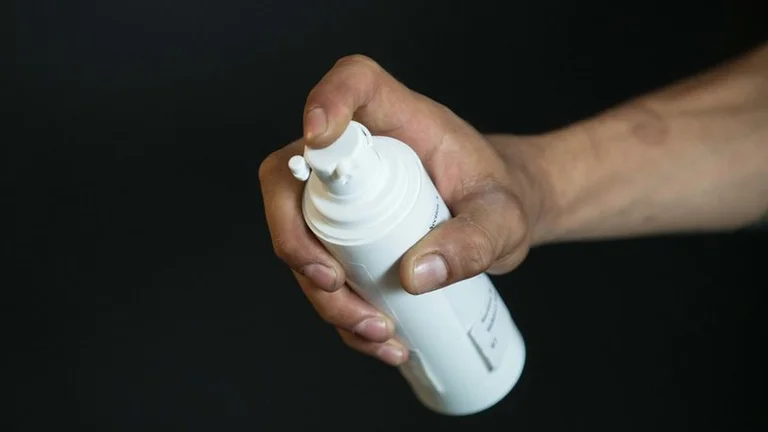
The gel that will be applied contains a mixture of progesterone and testosterone. The progesterone interrupts the production of sperm while testosterone compensates for a drop in the testosterone caused.
Scientists hope that the gel version, which is being tested at some centers in the United Kingdom, Sweden, Chile, and Kenya, will be easier to use and less negative side effects.
A little concern is that a woman partner must avoid contact with this part of the body to prevent a testosterone dose. So men are advised to take a nap or take a night's shirt.
After using it for six weeks, the Towers learned that the number of his spermoids had fallen to almost zero. He said he felt the “quite excited” and mentioned some side effects, which were for “minial “x3>, like: Small stains on the lower back, an increase in sexual desire, and an increase of about two pounds [2 kg].
If the evidence results are encouraging, the scientific team hopes that there will be interest from pharmaceutical companies to take the product to the market, and that could happen within 4-5 years.
Source Layer: The Guardian