5 hours ago
Anxiety and stress: Easing the Pain in Your Head
Periskopi(5 years ago)
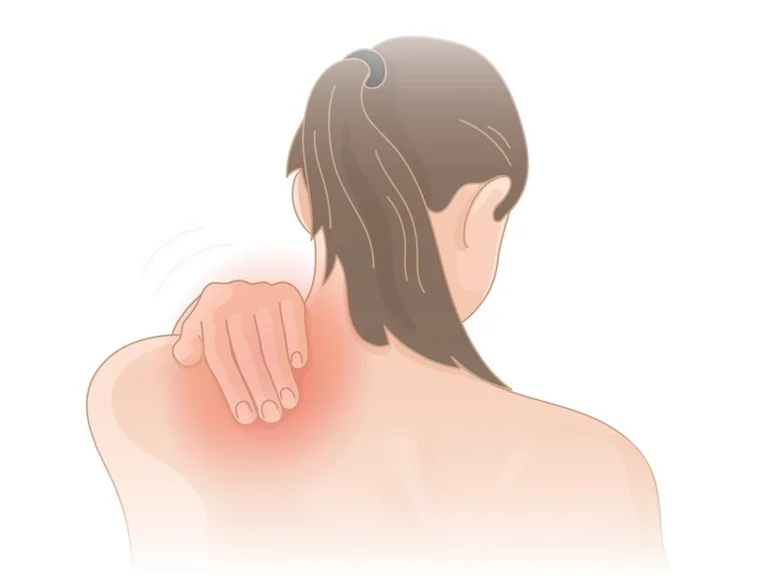
(5 years ago)The areas where you likely feel stress or tension related to anxiety are your neck and shoulders. In time, this can lead to chronic pain as well as other health issues. When you experience a stressful event or a period of anxiety, your muscles contract, sometimes by force. This is an automatic response [...]
The areas where you likely feel stress or tension related to anxiety are your neck and shoulders. In time, this can lead to chronic pain as well as other health issues.
When you experience a stressful event or a period of anxiety, your muscles contract, sometimes by force. This is an automatic reaction or a reflection. Known as response to stress or response <x0fight or flight”
In other words, it's your body's way of preparing you to face a perceived physical threat. Along with muscle tension, you may also notice other physical symptoms when you are stressed or concerned, such as:
Quick heartbeat
Quick breath
Cold skin
Suspiration
Fortunately, muscle pressure on the neck and shoulders responds well to stretching, yoga, relaxing, and other methods of stress management.
Exercise:
#1

#2

#3

#4

5