15 hours ago
Study: One in four Twitter patients suffer from hair loss, women are most endangered
Periskopi(5 years ago)
(5 years ago)A quarter of the patients with Avid experience hair loss in the first six months after the infection, where women seem to be more endangered, according to a new study. Six months after recovery, they were asked about the quality of their lives and subjected to physical testing, a six - minute test on foot [...]
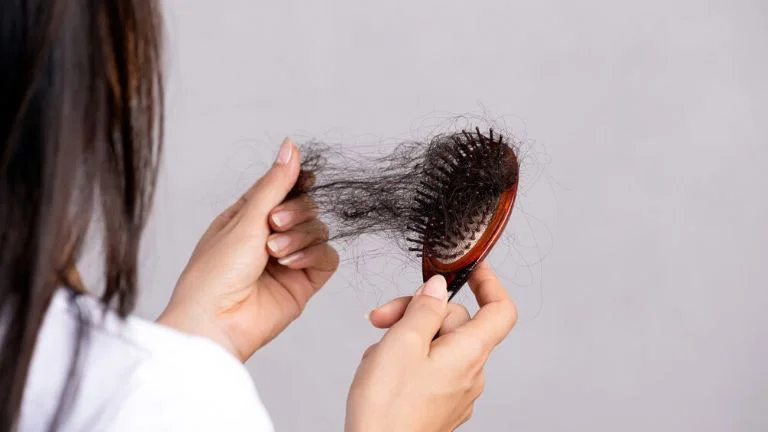
A quarter of the patients with Avid experience hair loss in the first six months after the infection, where women seem to be more endangered, according to a new study.
Six months after recovery, they were asked about the quality of their lives and subjected to physical examinations, a six - minute test on foot, and a blood test, according to The Sun. The study, published in Lancet, found that 76% of patients had recorded at least one long - term symptom of women affected.
However, the long-term impact of the virus remains largely unclear, the authors note. This comes after an investigation by Dr Natalie Lambert from the University of Medicine in Indiana, which in 423 out of the 1,567 former patients with Covis have experienced hair loss. The loss of hair can be related to stress and may be delayed between stressful events and a loss of hair. Experts believe that diverting energy and nutrients away from the glands spurs effluvium dialogue, or weakening the scalp. If caused by a medical condition, the loss of a hair usually eventually stops and grows back after the person recovers.
The purpose of this study was to describe the long-term health consequences of patients with Covid-19 who were released from the hospital. For our knowledge, this is the largest time study with the longest duration of the pursuit, assessing the health effects of adult patients released from the hospital by recovering from Ovid-19. ”The authors said.
Experts studying the long - term symptoms at Wuhan found 319 of 1,655 hospital patients (22%) suffering from lost hair. A number of other signs were found, with 63% of patients affected by fatigue or muscle weakness, 26% suffering from sleep difficulties, and 23% suffering anxiety or depression. Those examined were released from Jin Yin-tan Hospital between January 7th and May 29, 2020, after a battle with the Coronavirus.