10 hours ago
Is it so important to pee after sex?
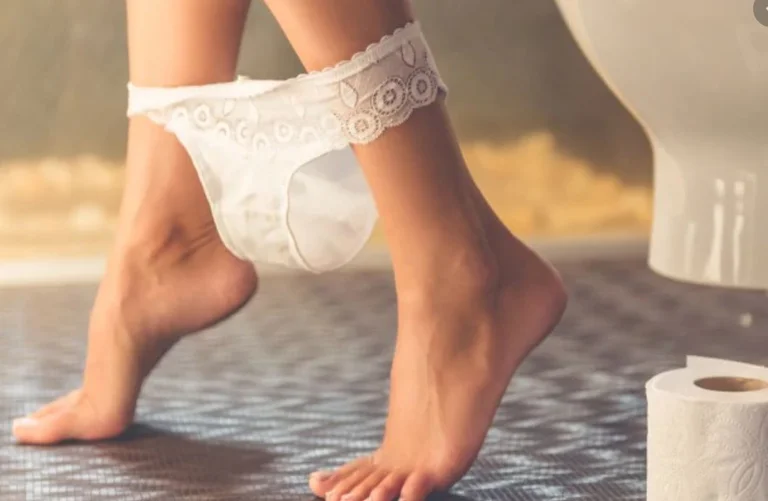
Periskopi(5 years ago)
(5 years ago)True, urinary diseases (STU) are common among women, and those who are sexually active are the most endangered. A urinary lesion infection occurs when bacteria from the urethra arrive in the kidneys where they breed and cause infections. These infections are often associated with sexual relations because of the urethra [...]
True, urinary diseases (STU) are common among women, and those who are sexually active are the most endangered. A urinary lesion infection occurs when bacteria from the urethra arrive in the kidneys where they breed and cause infections. These infections are often associated with sexual relations, as uretmer faces new bacteria and the female anatomy, the kidney trail is shorter than in males.
Sex urination helps to remove bacteria before they travel to the kidneys, but there is still no definite time. While urinating in front and after sex reduces your chances of getting a STU, you do not have to have a chronometer. So if you don't feel the need to pee, then don't push yourself.
Just make sure you do this before you fall asleep. If you feel the need to pee, do not ignore it. After sex or any other moment of the day, never hold your urine because it can increase the number of bacteria and make infections worse. So do it when you come and you're stressed: hide in front-on direction.
Some females are more affected by these infections than others. Factors such as diabetes, kidney stones, or anomalies in urinary lesions make it easier for some women to be affected by urinary infections. If you have up to three such infections within a year, consider yourself part of this grouping.
If you never have urinary or very rare infections and do not urinate immediately after sex, you can continue your routine.
If it's never been a problem for you, then there's nothing wrong with not pissing on sex. Perhaps you are simply well - hydrated and urinate regularly.
Source Layer: Women's Health