12 hours ago
From the pain of the middle to the breath: Symptoms of ovaries Cancer
Periskopi(5 years ago)
(5 years ago)The ovaries are small almond - shaped organs located on both sides of the uterus. Eggs are made in ovaries. ovaries ' cancer can occur in various parts of the ovaries. ovaries cancer can begin in the embryoal, Samuelal, or epithelial cells of the ovary. Embimonal cells are the cells that become eggs. Cells [...]
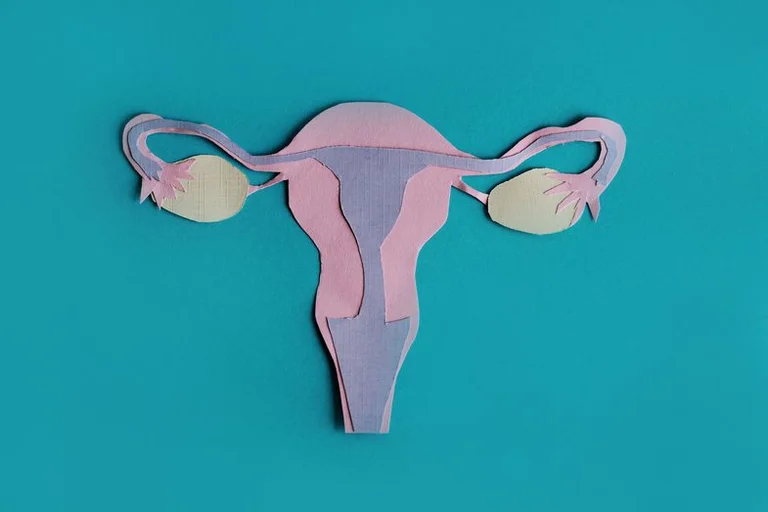
The ovaries are small almond - shaped organs located on both sides of the uterus. Eggs are made in ovaries. ovaries ' cancer can occur in various parts of the ovaries.
ovaries cancer can begin in the embryoal, Samuelal, or epithelial cells of the ovary. Embimonal cells are the cells that become eggs. Stromical cells make up the substance of the ovary. Epithelic cells are the outer layer of the ovary.
Symptoms of ovaries Cancer
Early ovaries ' cancer may not have any symptoms. This can make the discovery very difficult. However, some symptoms may include:
) You often feel satisfied when you eat (the breath is continuous, more than usual)
Dating Challenges
A frequent, urgent need to pee
These symptoms have an unexpected display. They feel different from normal treatments or menstrual concerns. They also do not leave.
Other symptoms of ovarian cancer may include:
Middle pain
Pain in Sex
Capable
Exhausted
A change in the menstrual cycle
Weight gain
No weight loss
vaginal bleeding
A worsening backache
If you have these symptoms for more than two weeks, you should seek medical attention.
Causes of ovaries Cancer
Researchers still do not understand what causes ovaries ' cancer to develop. Various risk factors may increase a woman's chances of developing this type of cancer, but having those risk factors does not mean that you will develop cancer.
Cancer develops when cells in the body grow and multiply abnormally. Researchers studying ovarian cancer are trying to identify what genetic mutations are responsible for cancer. These mutations can be inherited by a parent or may also be won.

ovarian cancer risk factors
Genetics: If you have a family history of ovarian cancer, breast cancer, and so forth, your risks to developing ovarian cancer are higher. This is because researchers have identified some genetic mutations that are responsible for these cancers. They may pass from parent to child.
Personal medical story: If you have a personal history of breast cancer, your risk of ovarian cancer is higher. Similarly, if you have been diagnosed with certain conditions of the reproductive system, the chances of developing ovaries cancer are higher.
Reproduction History: Women who use fertility drugs may have a higher risk. Likewise, pregnant women who have breast - fed their babies may have a lower risk.
Age: ovaries cancer is more common among older women; women under 40 are rarely diagnosed. In fact, you are more likely to be diagnosed with ovarian cancer after menopausis.
Body size: Women with a body mass index of over 30 have a higher risk of ovaries cancer.