12 hours ago
Faceblock: Australia's vs Facebook crash like this law can change the internet
Periskopi(5 years ago)
(5 years ago)Social networking platform Facebook blocked the distribution of news content in Australia Thursday in response to a proposed media law. The critics address Facebook after banning information amid a global pandemic, while Australia's proposed law raises questions about freedom of information. What is the new law [...]
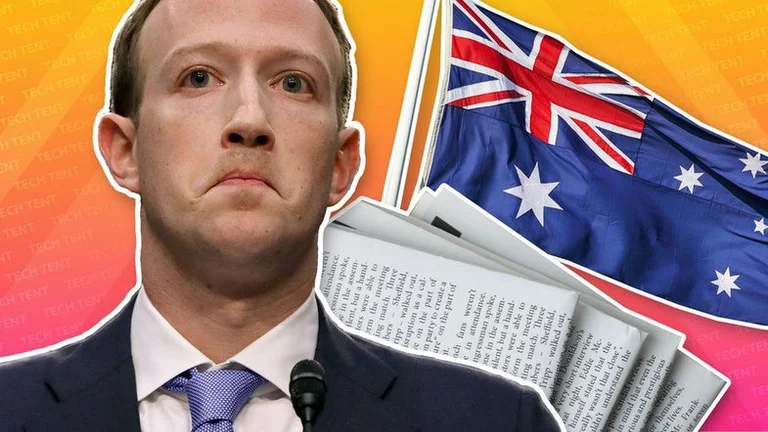
Social networking platform Facebook blocked the distribution of news content in Australia Thursday in response to a proposed media law. The critics address Facebook after banning information amid a global pandemic, while Australia's proposed law raises questions about freedom of information.
What is Australia's new media law?
In July 2020, a draft law was introduced in Australia enabling news publishers to negotiate the compensation they receive from technology giants. New laws and requirements affect only Google and Facebook, but the possibility of involvement of other platforms is not ruled out.
Critics said that technology giants make a lot of money through Internet media content, but they do not give them their value or give them little. The proposal includes a secure network of negotiations as an attempt to prevent technology giants from dominate negotiations with news media.
Australia's House of Representatives has already adopted the bill, and the Senate is expected to approve.
Why Facebook and Google oppose?
Facebook said the proposed <x0-> malpractice law essentially understands the relationship between our platform and the publishers using it”. Meanwhile, Google has added negotiations with Australian media companies for the licensing of content agreements.
Technology companies have tried to counter the law, which affects the business model that allowed them to become some of the world's richest companies. Both technology giants don't refuse to pay for online news. They already pay several news organizations for the content. But they would prefer to have the advantage in determining the amount they pay.
How has Australia reacted?
Australian Prime Minister Scott Morrison said on his Facebook page that the company's response to the proposed law was proof that technology giants believe they are “larger than governments”.
“Facebook actions to make Australia a friend today by cutting off basic health and emergency services were as arrogant and disappointing”, Morrison said.
The prime minister hinted he would continue the process of adopting legislation, regardless of the Facebook response.
How can the Australian model change the internet?
In an investigation of the Australian Senate, World Wide Web (www), Tim Berners-Lee warned that presenting a law paying for this content could have a huge impact.
“Links are essential for the network,” he added, “If this precedent is followed elsewhere, this could make the network unfunctionable worldwide. ”
Will other countries follow Australia's leadership?
Angela Mills Wade, executive director of a lobby group for media companies in Europe, said the Australian model could inspire new European Union regulations.
EU lawmakers have closely observed the situation while negotiating changes to regulate digital platforms. Britain is also planning similar regulations.
The Facebook response to Australia's law showed that the company tried to protect its dominant position and paid no attention to the citizens and clients it supposedly serves, said Henry Faure Walker, chairman of the United Kingdom Media Association.
Under the latest copyright rules, news units in EU and other countries may require payment from digital platforms for using their content.
Both parties need each other. Google and Facebook need publishers to popularize their search results and resources for reliable information, but publishers also need a place to display their contents. For years, media say Google and Facebook take unfair advantage of their news and give them very little in return.
Critics and ordinary people write online that Facebook is inconsistent and thinks no one can do without the platform. “What happens if we prove we do without Facebook?” they write.
Sources: Sydney Morning Herald, Deutsche Welle, Reuters, Agent France-Presse