10 hours ago
Yes, experts say the pandemic's motion is true!
Periskopi(5 years ago)
(5 years ago)Dr. Brandy Lee, a New York-based forensic psychiatrist, says that “pandemia has brought about a great uncertainty and stress”. John Hopkins defines it as “a response to perceived threats that are greatly affected by anxiety and fear, which exist during a continuation of normal experience, based on reality to delusion beliefs”. Symptoms [...]
Dr. Brandy Lee, a New York-based forensic psychiatrist, says that “pandemia has brought about a great uncertainty and stress”.
John Hopkins defines it as “a response to perceived threats that are greatly influenced by anxiety and fear, which exist during a continuation of normal experience, based on reality to delusion beliefs”
Paranomonic symptoms range from very delicate to completely overwhelming and may exist with or without other mental conditions. People do not need to have diagnostic mental - health disorders to have paranoid thoughts or feelings.
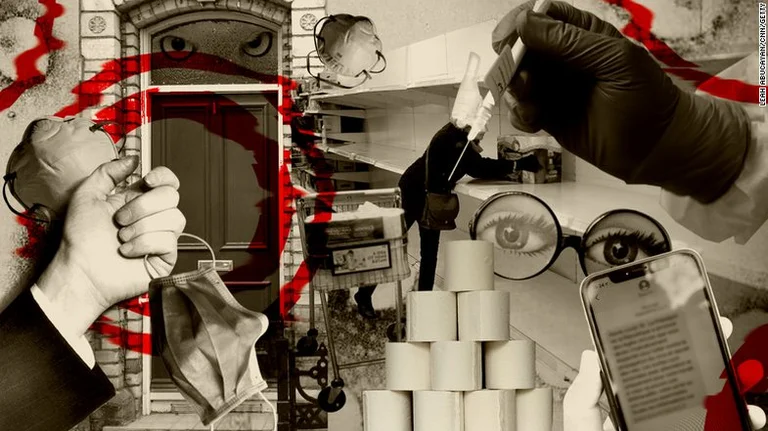
Pandemia, social isolation, economic problems, social unrest and everything else have caused many of us to have more extreme behaviour and concerns, including paranoid.
A small segment of the world's population is conditioning to avoid reality.
When you live in a delusion, disconnected from reality, man gets on his own paranoid because the facts and evidence consistently “attack” his false beliefs”, says Lee.
The good news is that it is possible to fight paranoid, at least one that is not diagnosed by medicine or that is not related to other matters of mental health.
Human beings are flexible and capable of dealing with major disasters, if we are in them together and have sustainable guidance, as well as psychological and social support. ”
You can start by accepting paranoid thoughts and then working on creating healthy daily routines. Set small goals, such as walking each day or spending an hour talking to someone about your feelings. Sleep, diet, and social interaction are all important factors that foster good mental health.
If you observe that a relative is experiencing paranoid thoughts, be careful about how you draw close to him. Try to avoid using “to point” and show them you understand, increasing the likelihood that they will accept your help.
However, it may be difficult to avoid paranoid thoughts about ourselves or others. In a paranoid state, someone is unable to reason or look for evidence. The best approach is to work on changing circumstances that put that person in a paranoid state. Of course, we cannot eliminate pandemics as if by magic, but we can work on creating distance between the effects that seem to exacerbate paranoid.
In the long term, we can work on the “socioeconomic conditions disorder that led to psychological vulnerability in the first place, which may include economic, racial and gender inequality. ”
If the paranoid reaches the level where you or a relative feel that you may be a danger to themselves or others, seek professional help immediately.
Source Layer: CNN