6 hours ago
Coping With some of the most difficult symptoms of menopause
Periskopi(5 years ago)
(5 years ago)Menopause happens to every woman, but this does not mean that symptoms, or treatment, are the same for all, whether you are dealing with hot flashes, mood changes, or sleep problems. The way we experience is related to genetic factors, diet, life - style, and so on. Some of the most [...] treatments
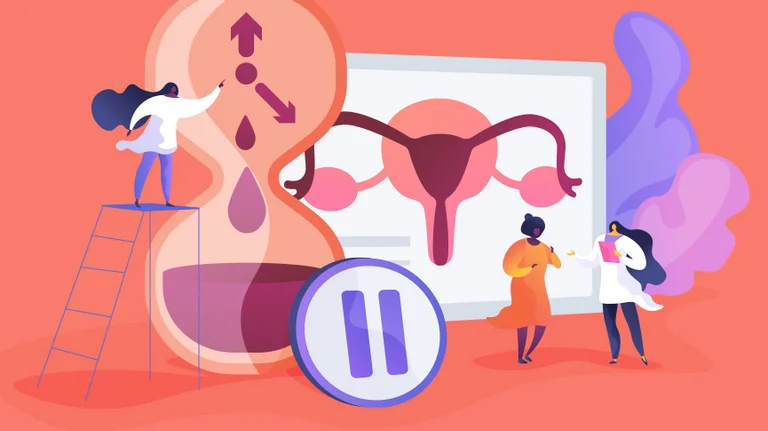
Menopause happens to every woman, but this does not mean that symptoms, or treatment, are the same for all, whether you are dealing with hot flashes, mood changes, or sleep problems. The way we experience is related to genetic factors, diet, life - style, and so on. Some of the best management treatments:
Make healthful food and sleep your priority. Certain foods can make menopaus symptoms even worse. One study found that eating too many carbs can actually affect showing depression to women after menopausis. To understand your cause, Dr. Sholes-Dougles suggests taking off a diet where you remove food groups like gluten, milk, sugar, alcohol and soybeans and then slowly add them back to see how each affects your symptoms. Another good idea: Try to sleep at the same time each night and keep your bedroom dark and cool.
Use medication. When it comes to easing symptoms of menopaus as hot flashes, anxiety, and nervousness, hormone replacement therapy is a major choice for many women. These drugs increase levels of estrogen and progesterone (which decline significantly during menopausis), which helps improve symptoms.
Physical activity. Not only can physical activity help you to get better sleep but it can also improve hot flashes. In one study, women who went to the gym lowered the episodes of the animals because physical activity helps the body to regulate its temperature.