14 minutes ago
Kosovo psychologist talks about the consequences of COVID: About 6% of people experience anxiety and depression

Periskopi(5 years ago)
(5 years ago)At the end of December of this year, it has been two years since the first case of the new Coronaviros in Wuhan, China. So far over five million deaths and millions of others infected have been recorded worldwide. The effects of this disease continue even after the healing process [...]
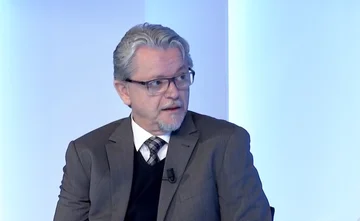
Psychologist Petrit Thaci says in an interview with Kp that about 5.8 percent of people can manifest anxiety disorders or depression as a result of their situation.
It shows that the most affected groups are between 20 and 30 years old. In addition to these disorders, children's age groups, middle and inflammatory groups are affected.
Psychologist Thaci says that anxiety disorders and depression develop in such people, you see a silent but social closure.
Predispositions in people with anxiety disorders and are more often observed as a type of discomfort, a tendency of some type of hyperactivity, without concentration. So it's fear that prevails in them, an internal fear, without clearly specifying that unsanitary behaviors. While in depressed persons we find a sense of inactivity, a sense of fatigue, and a tired sight, do not care for total closure, even when present in social circles and drawn into the walls of the house”, he said.
There are long - term studies in this regard showing that after a quarantine intensification of such concerns as fear, insomnia or a posttraumatic stress disorder is higher, but psychologist Thaci says there is no difference between the elderly or young, between men or women.
“Statistics have never been able to talk about an accurate percentage, but some vary from 5.8 percent in anxiety disorders as a whole, perhaps there are sources in literature where depression can extend to 17 to 18% in a general population form, but still there is no accuracy, and in recent times we can note a tendency for increased anxiety disorders in particular. It is more likely that this period of 20 to 30 is more involved with depression disorders and anxiety disorders, but there is no age limit to saying that this age alone is affected. So we have disorders of anxiety and childhood, middle age and pressure, but as if the highest trends are between 20 and 30 years old, where the first stages of maturity, the entry into the life-ex1> and self-ex1>, Thaci said.
Thaci also speaks of prejudices that people may have with anxiety and depression, which, according to him, are more likely to fear prejudice than it really will.
Sometimes greater is our own personal impression when we are in a state of despondency and anxiety that we will be prejudiced. So there is more to fear of prejudice than there is actually such prejudice, but there is actually a tendency to be appointed and stigmatized. So, the moment strange behavior is observed, there may be these, but more of it is exaggerated and appointed by the client who is going through the situation than the world is watching what's going on with him, Thaci said.
However, this period of anxiety and depression can be overcome by social and physical activities.
The more involved in social, physical activities, which include the concept of work being fulfilled with that part that I did something would have been some kind of spectrum of activities that would help the person with depressive disorders, or anxiety disorders to increase the concept of self-esteem and to confront himself with the emotions that have been stumbling. However, these suggestions and advice rarely appear and remain invalid if the client does not enter psycho-therapeutic treatment”, he points.
Psychologist Thaci says that the pandemic period has been a cause of negative influence for those who have been experiencing anxiety and depression.
The pandemic has undoubtedly been a very powerful factor that has shaken the psychological state of all indiscriminately, but as if the most inclined to suffer the negative consequences and effects of this period have been people who have had problems of the nature of emotional and psychological disorders and the most vulnerable have been people with anxiety disorders, since pandemic is a period where the concepts of security, stability and what will happen in the future”, Thaci said.