9 hours ago
Can I be diagnosed with bipolar disorder later in my life?
Periskopi(5 years ago)
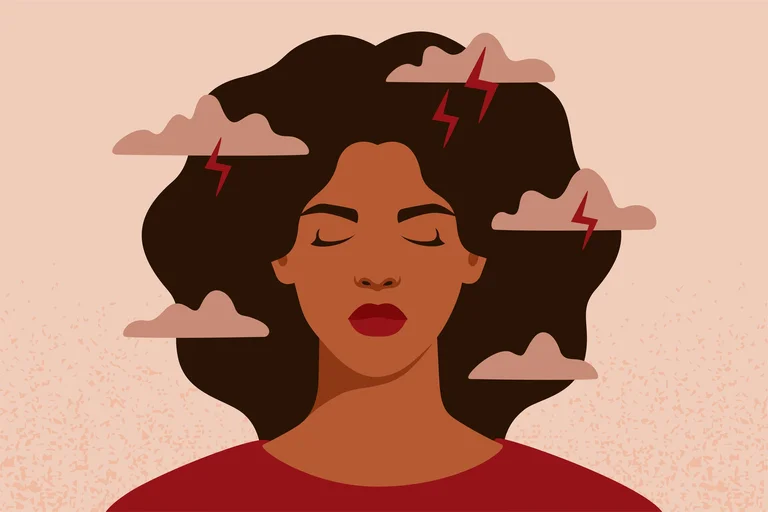
(5 years ago)Bipolar disorder is a mental disorder characterized by extreme mood changes. These mood changes range from mania, or extreme excitement, to depression. Bipolar disorder often appears in one's teens and early 20s, but now there is increased attention to those who are later diagnosed in life. [...]
Bipolar disorder is a mental disorder characterized by extreme mood changes. These mood changes range from mania, or extreme excitement, to depression. Bipolar disorder often appears in one's teens and early 20s, but now there is increased attention to those who are later diagnosed in life.
Determining Bipolar Disorder
Bipolar disorder affects your mental state. It can cause episodes of mania and depression. These episodes can have a negative effect on all aspects of life.
Someone with bipolar disorder may be in extreme joy or despair. These episodes can change the ability to function. This, in turn, can make it difficult to maintain healthy relationships, maintain jobs, and live a stable life.
Researchers are not sure what causes bipolar disorder or why it affects only a few people. Genetics, brain function, and environment are factors that can contribute to the disorder.
Diagnosing Bipolar Disorders in Adults
It used to be believed that bipolar disorder “reduced” throughout life. This belief is likely caused by the preconvention of bipolar diagnosiss in teenagers and youths.
Current research views bipolar disorder that begins at the age of 50 or later as the late bipolar disorder. Between 5 and 10% of bipolar people are at least 50 when they first show symptoms of mania or hypomenia.
The symptoms of bipolar disorder in adults may be hard to diagnose correctly. Symptoms are often confused with other conditions. Symptoms like psychosis, sleep concerns, and aggression can be confused with madness or depressive disorder.
Occasional episodes that begin late may be linked to strokes, degeneration, or hypertioridism.
If you or a relative are concerned that you have bipolar disorder, it is important to talk to a doctor. People of all ages may have bipolar disorder. Do not eliminate severe mood changes as a sign of aging.