9 hours ago
Symptoms showing that you have problems with thyroid & a test you can take at home
Periskopi(5 years ago)
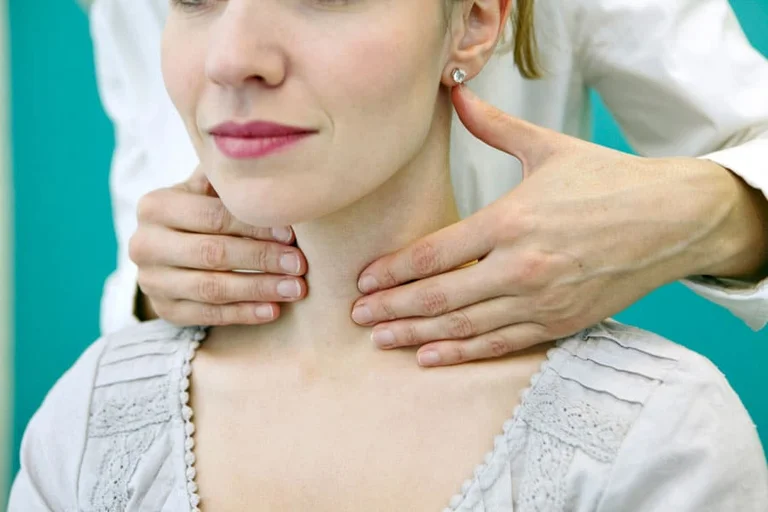
(5 years ago)The thyroid gland is located in the front of the neck, around the throat (tracle), and produces hormones that help control many vital functions of the body. If your body produces many thyroid hormones, you can develop a condition called hypertuidism. If the body produces very little thyroid hormone, it is called hypothyroidism. Both conditions are serious and should be [...]
The thyroid gland is located in the front of the neck, around the throat (tracle), and produces hormones that help control many vital functions of the body. If your body produces many thyroid hormones, you can develop a condition called hypertuidism. If the body produces very little thyroid hormone, it is called hypothyroidism. Both conditions are serious and should be addressed.
Your thyroid has an important job releasing and controlling hormones that control metabolism. Metabolism is a process in which the food you receive in your body is transformed into energy. This energy is used throughout the body. Think of metabolism as a generator that gets raw energy and uses it to power something bigger.

Thyroid disease is a general term for a medical condition that prohibits thyroid gland from producing the right amount of hormones. The thyroid usually produces hormones that make the body function normally.
What causes thyroid disease? As we noted, the two main types of disease are hypothyroidism and hypertuidism. Both conditions may be caused by other diseases that affect the way things work.

Conditions that may cause hypothyroidism include:
Tiroid: Lower the number of hormones the thyroid produces.
Tiroidi Hashimoto: Autoimmune conditions where body cells attack and damage thyroid. This is an inherited condition.
Tiroid after birth: It happens 5% to 9% of women after birth. It's usually a temporary situation.
Iodine's absence: Jody is used by thyroid to produce hormones. The absence of iodi is an issue affecting several million people worldwide.
Thyroid that doesn't work: Sometimes the thyroid gland doesn't work properly from birth. If not treated, a child may have physical and mental problems in the future.

Conditions that can cause hyperthyroidism include:
) Women's disease: In this state, all thyroid glands can be highly active and produce many hormones.
Nights: Hyperthyroidism can be caused by knots that are too active inside thyroids.
Tiroid: This condition can be either painful or unintelligible. The thyroid releases hormones that have been stored there; it may last for several weeks or months.
Jud too much: When you have too many iodine, the thyroid produces more thyroid hormones than it needs.

What common symptoms?
Unfortunately, symptoms of thyroid disease are often very similar to signs of other medical conditions and phases of life. This may make it difficult to know if your symptoms are related to a thyroid issue or something else entirely. For the most part, symptoms can be divided into two groups of ʹ those related to excessive thyroid hormones (hypertiroidism) and those related to the rich very few thyroid hormones (hypotiroidism).
Symptoms of hypertroidism
Aggressive, nervous, and irritability
Sleep Problem
No weight loss
♪ Weakness and muscle shake ♪
RELIGION
Sensitive to heat
Problems with eye vision and frustration
Symptoms of Hippothyroidism
Feelings of Fatigue
Weight gain
Forget it.
) frequent menstruation
A dry, thick hair
Close voice
Intolerance of cold temperatures
Thyroid disease may be difficult to diagnose because symptoms are easily confused with those of other situations. Fortunately, there are tests that can help determine if symptoms are caused by a thyroid case.

A self-examination:
1. Identify the thyroid (head of the neck, slightly below Adam's apple)
2. Look back and look in a mirror. Improve space so that you can see yourself in the mirror while you have your head behind you.
3. Drink water holding your head back.
4. See the thyroid passing the water down. If you notice bumps or beans, you should contact your doctor. Repeat the test several times to see it better.
However, although you may not see any self-examination changes, if you have the above symptoms and you suspect that you may have a thyroid problem, you should contact your doctor.