Who's Nobel Prize for Literature? Read about his amazing novel "Afterlives"
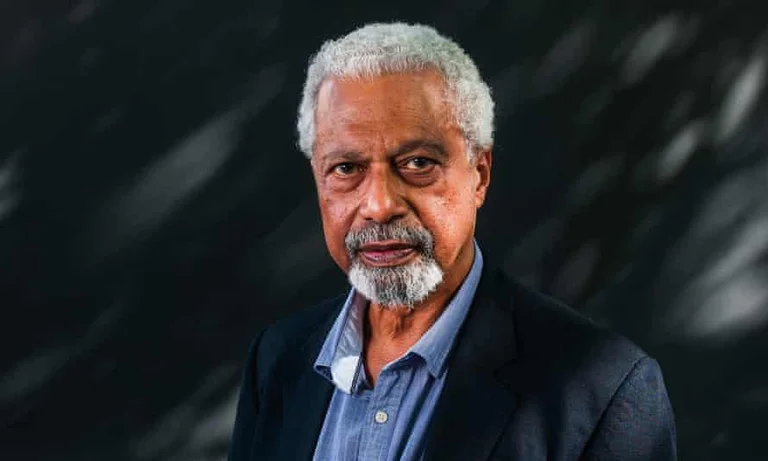
 (5 years ago)
This is a literary criticism published in The Guardian for a work already by Nobel Prize for Literature winner in 2021, Abdulrabak Gurnah. Until recently, most talk about the colonial presence of Europeans in Africa has ruled out Germany. Situated at the end of the 19th century, the German Empire on the mainland has included [...]
Until recently, most talk about the colonial presence of Europeans in Africa has ruled out Germany. Situated in the late 19th century, the German Empire on the continent has included present - day Namibia, Cameroon, Togon, parts of Tanzania and Kenya, and would then receive the kingdoms of Rwanda and Burundi. German colonial rule was brutal, as were other colonial powers; in an area known for spin and violence, it is Germany that carried out the first 20th - century genocide with the 1904 extermination campaign to eliminate the rebellion of Hero and Namave in Namibia. Along the continent in East Africa, or as Deutsch-Ostafreca was known, Germany's military tactics were equally deadly. Abdulrabak Gurnah's new novel stretched out yet intimate Afterlives (scoffs. The afterlife is decided against the background of these atrocities. Spreading out in what was then known as Tanganyika, which is Tanzania, it opens with a simple, genetic sentence: “Khalifa was twenty-six years old when he met businessman Amur Biasharan. ”
Khalifa married Biasara's niece, Asha, in 1907, until the May Mayi uprising was <x0nd in the back of her past brutalities”. Gurnah relates the terrifying consequences of resistance to German rule but then returns to the lives of the young married couple. By the time German-speaking Ilyaz arrives in the unnamed coastal town where Khalifa and Ashan live, the uprisings and colonial representations have faded away from the story. And instead, Gurnah pushs the colonial history beyond the attention of those who had managed to have a relatively peaceful existence. But even though their lives may be calm, this does not mean that they have escaped from the physical and emotional disasters of colonialism. One character laments that the <x2-Germans have killed so many people that the country has been polluted with skulls and bones and that the ground has become wet with blood”. When Ilyaz, who was sent to a school by the same Germans who owned the coffee farm where he worked as a child, speaks in defense of the colonists “My friend, they ate you, someone told him.
As the Germans prepare for the first world war to take place, Ilyas joins German military troops who have the bad reputation of causing untold atrocities in the name of the empire. In his absence, the confession of the little sister, Adilees, is revealed. Placed under the care of a very strict family, she is beaten so badly for her reading and writing ability that she seeks help from Ilyaz's friend Khalifa. Soon she begins living with the married couple. Meanwhile, we meet Hamza, a German forces volunteer who soon realizes his mistake. Hamza's confession is the most persuasive but also the most disturbing in the novel. It shows complex desires that form the intimate bond between the oppressed and the oppressor. When he is assigned to be the personal servant of the Ober lieutenant, another troop member warns Hamza, their “Germans, you like to play with handsome young boys.” The officer is determined to teach German Hamza in order to appreciate Schiller's work, but he also tells him that “is dealing with barbarians and backwards and that the only form to rule is by bringing terror into them”. Their relationship grows steadily, and writer Gurnah does not regret the complex psychological consequences he faces.
Found on a tight list for the 1994 Booker Award for his novel Paradise [The Paradise], Gurnah is known for disturbing European history: a structural decision that also has political potential. To Afterlives It examines the inter-relative effects of colonialism and war, and requires us to examine what remains of all that destruction. What can be saved when one of the consequences of colonialism is the deliberate expulsion of African perspective from archives? How can we remember if we do not know what has been erased? In a world that uses the war's destructive explosions as the target of history, Gurnah presents a global conflict from the point of view of those who have decided to look at each other, and live. That's why, perhaps, the end seems unexpected. The last chapters are heartbreaking and thrilling, and they keep us in awe, but they occur suddenly. The reader wants the confession to slow down and have an intimate portrait of Ilya in later years. Despite that, Afterlives It's an amazing novel, which brings together all those who were meant to be forgotten.