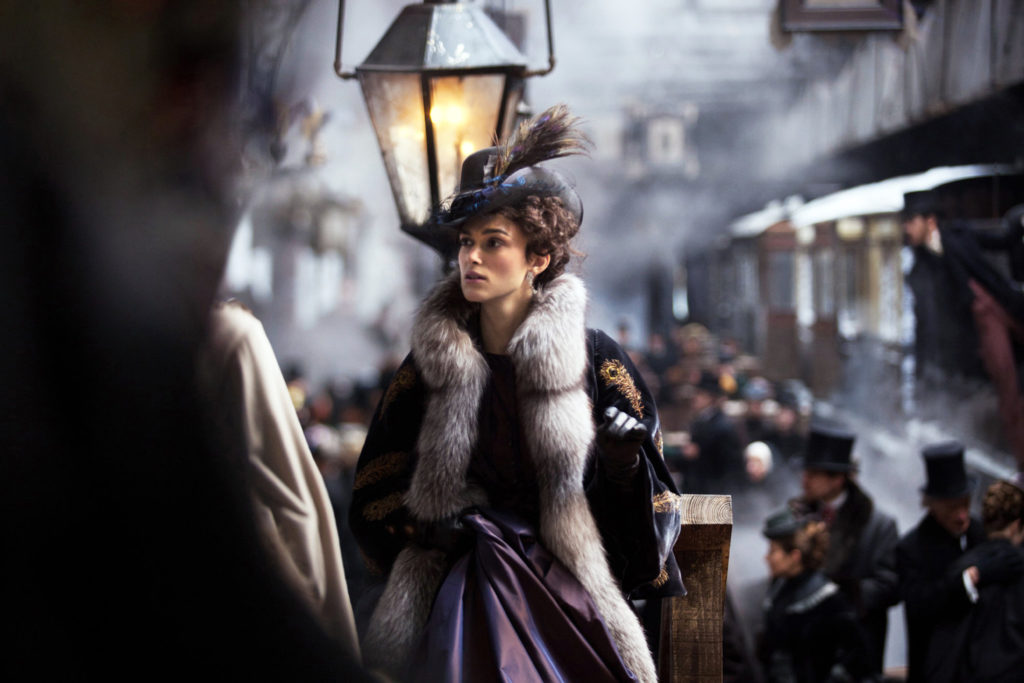
Tolstoy's banned novel that sparked sexual revolution in Russia
 (5 years ago)
Toward the end of his life, a parent of 13 children, the writer suffered a spiritual transformation - revised his attitude toward marriage and relationships between men and women in general. In the novel you caused the scandal: “Sonata Kretzer” Tolstoy proposes giving up physical love altogether! The book had a tremendous impact on youth in the late 19th century. [...]
In the novel you caused the scandal: “Sonata Kretzer” Tolstoy proposes giving up physical love altogether! The book had a tremendous impact on youth in the late 19th century. Some considered Tolstoy novel: “Sonata Kretzer”, as his best work, others, instead rejected Tolstoy's views, while Theodore Roosevelt went so far as to call a “founder of sexual morality”. Why did this brief novel create such a public outcry? And what does it lead to, Tolstoy?
Killed by Jealousy
The protagonist, Vassili Pozdnishev, tells life story to a fellow trainman. He killed his spouse when he returns from a late - hour journey, he finds his wife playing music with another man. The court ruled that the murder was provoked by adultery and released it, so Pozdnishev was allowed to walk freely. After the terrible episode, Pozdnishev suffered a spiritual rebirth, claiming he already understood the evil state of society: “I did not kill my wife then, but much earlier. As they're killing now, everybody, everybody...” The book does not clarify whether Pozdnishev's wife was unfaithful, does it? Tolstoy is far more concerned about emotions than about actions. In epigraphy of “Sonata Headzer”, the author quotes from the Gospel: “I tell you, everyone who looks at a woman with a desire to have her, in his heart has committed adultery with her” “Tolstoy was convinced that the disaster that happened to the family of his characters stemmed from premarital sexual promiscuity, which taught them to hope for family life, primarily the satisfaction of fleshly desire. Disillusionment leads Pozdnishev to hate his wife and to feel jealous and insane”, writes Andrei Zorin in the book: “Life of Lev Tolstoy. Read experience”
The vicious circle
Discussing the sexual education of boys and girls, Pozdnishev observes bitterly, rather than corruptly, society is fashionable.
In the social circle, it was considered normal, even healthy, for men “to enjoy degeneration” before marriage. I remember suddenly feeling such deep sadness that I wanted to cry, cry over the once and for all loss of my innocence, my relations with women. Yes, my relations with women were permanently closed”. Significantly, this episode is autobiographic: Tolstoy had a very similar experience, describing it in his journals.
At the same time, women were deprived of “right” for premarital sex. However, according to Pozdnishev, newly married women are no better than prostitutes. The sole purpose of their slings, whether corruption or music, was to impress the future man. As for women's clothing, Pozdnishev lists a long line, saying that millions of people work in factories only to satisfy women's whims, creating clothing that may attract a member of the opposite sex. He even considers it terrible that women take men's minds into their own sensibilities. “Once she owns it in its own ways, she begins to abuse and she gains a terrible advantage of”.
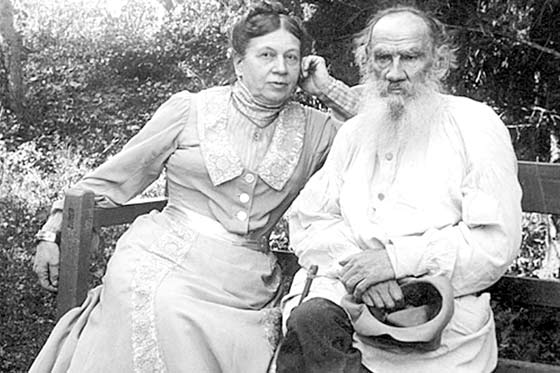
Tolstous disappointed by the institution of marriage
About bold thoughts about marriage and devaluation of family values, “Sonata Headzer” was censored shortly after publication. Moreover, in the U.S., newspaper press publishing the translation novel was also banned. However, it was the cut of the forbidden fruit that made the book too popular. Tolstoy had already become international famous, but with “Sonata Kretzer”, he appealed to the imagination of the entire educated society and especially the young. Novela went from person to person in secret, in handwritten copies. Pozdnishev describes how he fell in love with his future wife, but very soon he saw her just as a union on a nice boat trip and for the attractive dress he wore. After marriage, a month follows low “” honey, which was nothing more than legalized habit. Afterward, the husband has no idea who his wife is and is surprised to see anger or other qualities in her. Conspiracy and misunderstanding follow, so the only thing that can reconcile is a child's birth. It is at the birth and growth of children that Pozdnishev (like Tolstoy) sees the woman's purpose. When you learn that after the birth of the fifth child, doctors advise the woman to stop bearing children, Pozdnishev views this as a violation of natural law. Moreover, according to Tolsto, a woman who cannot create but continues to have sex with her husband, even using contraception, is totally immoral. The writer's case was dear to him, for his wife was admonished not to give birth again, but he declined to take “mass” to avoid pregnancy. [...] Pozdnishev thinks that the best way is to abstain from sex, but the companion and hearer of life's history ask: How, then, would the human race originate? I agree with Buddhists, that human life has no purpose and that one day it will end, just like the human race, so I don't see any harm if it ends when everyone has to live morally. “Tolstoy undoubtedly rejected the positive meaning of marriage itself, viewing it as uniting a man and a woman sanctified by Christian tradition”, writes Tolstoy scholar Pavel Basinsky.
Performance of Emancipated Women
In the 1890s, “Sonata Headzer” became the subject of discussion. Basinsky, writes: “was one of the main madnesss of the decade”. The end of the 19th century was the era of the prompt progress of women's emancipation, so it is not surprising that female readers saw another ethical problem in history: why should a woman remain virgin before marriage, while a man has the right to gain preliminary sexual experience, even encouraged by society itself to do so?
After the novel of Tolstoy was released, the issue of sexual morality began to be discussed in the press. Yelizeta Duaconova, one of the first Russian feminists, wrote in the magazine expressing indignation, that any man “would consider himself a shame to be married to a woman who had relations with other men before him, while he considers it normal to have sexual experiences before marriage. And it's all the same, everywhere! In both Russia and Russia! Oh, my God!
If Tolsto's novel moved Duakonova to demand that men maintain innocence before marriage, this moved other women to recognize the injustice of their situation and seek freedom. /Conica