12 hours ago
Do not be foolish. What is Hara Hachi Bu method and how it helps to live long and healthy lives!
Periskopi(5 years ago)
(5 years ago)If you want to live 100 and healthy years, feed yourself like those who have turned 100. And that's why you should go to Okinawa, Japan, at least once, one of the areas known as the Blue Zone, because people there live long lives, live healthy and happy lives. For every 100,000 people, [...]
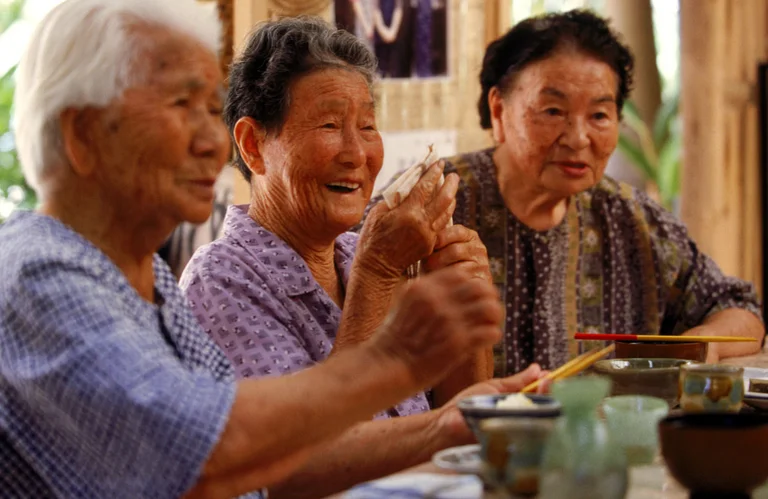
If you want to live 100 and healthy years, feed yourself like those who have turned 100. And that's why you should go to Okinawa, Japan, at least once, one of the areas known as the Blue Zone, because people there live long lives, live healthy and happy lives. For every 100,000 people, Okinawa has 68-100-year-olds, more than triple found in American populations.
Being carefully fed, objective, and conscious is a characteristic of the local population, and it has proved to contribute to life and health.
If you have a meal conversation with an elderly Okinawan, he'll probably show you the phrase inspired by Confucius before you start a meal: It's Hara Hachi bu-a reminder to stop eating when the stomach's full of 80%.
Studies show that it takes approximately 15 to 20 minutes for our brain to record that our stomach has reached capacity, and slowly eating by practicing hachi bu, helps to avoid being loaded, not fatened, and many other metabolic applications affecting everyday life.
Dr. Brian Wansink, author of “Mindless Eating”, says more about this practice: There's a huge gap in calories when an American says he feels full, and when a Okinawan says he's not hungry anymore. We add subtle weight, or fill our stomach with a simple diet method or: No shit!
Older Okinawans attend a plant-based day, with meals mainly made up of fried beans, spinach, vegetables, sweet potatoes, and tofu all rich in nutrients.
Goya is another major element. Also known as bitter melon, he is rich in antioxidants, vitamins, and minerals that can lower blood sugar levels and improve the immune system's health to help fight viruses.
Although Okinawans eat pork, fish, and other meats, they take very little place in their daily diet.
Simple changes in daily eating habits can help in the practical application of hachi bu to improve health. Below, read simple steps to start:
Don't get caught up in calories or food thinking you'll lose weight: You have to eat fashionable. As you eat, focus on your body, how you react.
Feed slowly: Eating fast results in greater consumption of food. Slow down the process to understand body reactions that signal when you should stop eating at that meal.
Focus on food: Turn off the TV and keep all the digital devices away from the eating environment - you will consume less and more food.
Use small dishes: Do not use large dishes or dishes. Drink cups should also be smaller, narrower, and tall. It helps you to enjoy more and not drink endlessly with the idea that a cup should be emptied.