12 hours ago
That's why you're a mosquito magnet
Periskopi(6 years ago)
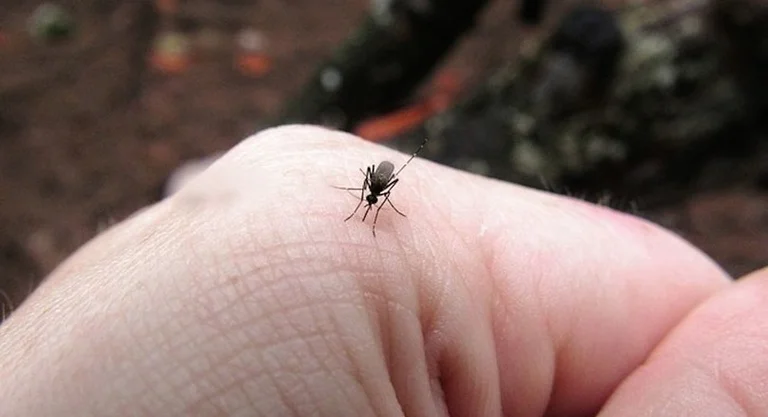
(6 years ago)Actually, the deck dinners, the morning voyages, and the early morning dives in the pool are accompanied by a permanent intruder - the mosquito. While it is known that mosquitoes are more hyperactive during dawn and dusk, experts say that outsiders are more attractive to mosquitoes, and that claim is based on science. [...]
Actually, the deck dinners, the morning voyages, and the early morning dives in the pool are accompanied by a permanent intruder - the mosquito. While it is known that mosquitoes are more hyperactive during dawn and dusk, experts say that outsiders are more attractive to mosquitoes, and that claim is based on science. According to a study published by London School of Hygiene and Tropical Medicine, each time you are bitten by mosquitoes depends entirely on your genes. Finally, it has been discovered that humans inherit this gene.
Researchers have started a three-year study of identical twins to isolate the guilty gene that attracts these insects in the hope that in the future, people will be able to drink a pill and tell mosquitoes: "Goodbye."
For now, it is known that your habits, the food you eat, and the perfume you use play no part in attracting mosquitoes to you. In fact, female mosquitoes, which sting, are attracted to the scent of carbon dioxide, which emits every human body through the harbors.
Another attractive factor is lactic acid, which is the by - product of muscle exercise. People who exercise regularly emit more lactic acid, as do people at a high metabolic rate. And people with natural rapid heartbeat produce more carbon dioxide and more lactic acid.