an hour ago
Iranian sportsman sentenced to death after being pressured to admit the murder, Trump calls out: Don't kill him
Periskopi(6 years ago)
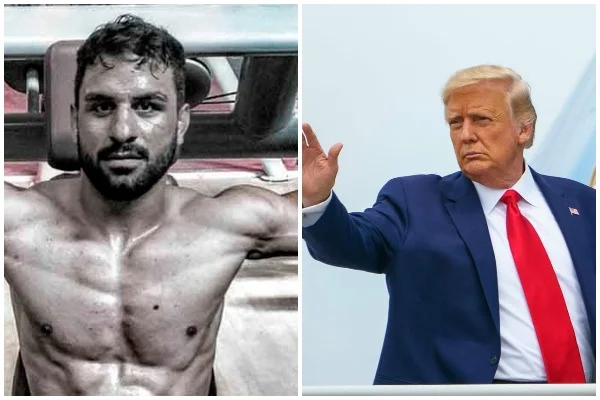
(6 years ago)US President Donald Trump has called on the state of Iran to abolish the death penalty handed down for a champion wrestler who participated in the protests two years ago. Navid Afkar, 27, was sentenced to two death sentences for killing a security guard during protests in Chiraz. Brothers [...]
Navid Afkar, 27, was sentenced to two death sentences for killing a security guard during protests in Chiraz. His brothers Vahid and Habib were sentenced to 54 and 27 years in prison on the same issue, according to human rights activists in Iran.
“For Iran's leaders, I would really appreciate it if you would save this young man's life and not execute him,” wrote the “Titter”.
Citing a Fox Nese report, Trump said the only option action was an anti-government demonstration on the road”. Earlier in the day, US State Department spokesman Morgan Ortegus wrote in “Twitter”: “We join the world in anger for the death penalty by the Iranian regime for Navid Afkar, who was tortured by giving a false confession after taking part in peaceful protests in 2018. ”
The regime also tortured his two brothers and sentenced them to decades in prison. Let them go”. A number of international wrestling figures and activists have also called for the release of the brothers and signed a petition with over 10,000 firms calling for the survival of Afkar's life.

A news agency linked to Iranian state television confirmed Thursday that Navid Afkar was sentenced to death. But in an audio recording released from the prison where he is being held, Afkar said he was tortured. His mother, meanwhile, said her sons were forced to testify against each other under torture.
Brothers' lawyer, Hasan Yunesi, said in “Titter” that contrary to Iranian news reports, there was no video of the security guard's murder moment. He added that images used as evidence in the case were taken an hour before crime occurred.
In 2018, protesters in cities throughout Iran took to the streets because of economic hardship and political oppression. Further demonstrations were held late last year in a protest against fuel price hikes.