6 hours ago
Symptoms from children to adults: What You Should Know About Bipolar Disorder
Periskopi(6 years ago)
(6 years ago)What is bipolar disorder? Bipolar disorder is a mental illness characterized by extreme changes in the way a person feels, but it is much more than a normal <x0). Symptoms of bipolar disorder Three are the main symptoms that can occur regularly - mania, hypomania, and depressive symptoms. Mania: If you experience this, one [...]
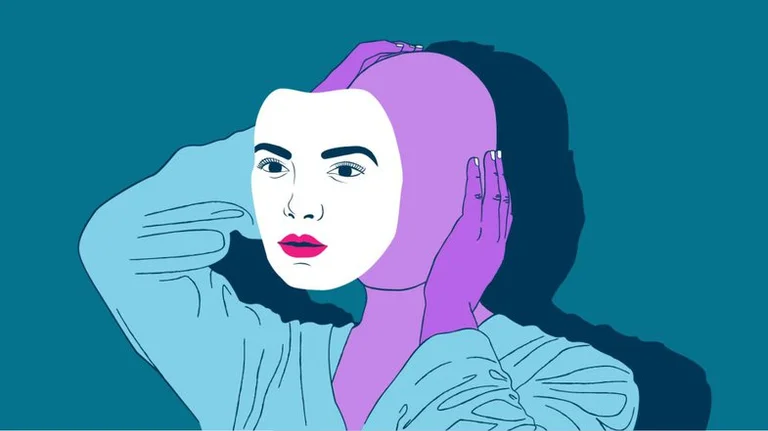
What is bipolar disorder?
Bipolar disorder is a mental illness characterized by extreme changes in the way a person feels, but it is much more than a normal <x0).
Symptoms of bipolar Disorder
Three are the main symptoms that can occur regularly - mania, hypomania, and depressive symptoms.
Mania: If you experience this, a person with bipolar disorder feels great emotion. He/she may feel impulsive, euphoric, and full of energy. During these episodes, it is likely that he can display behavior as helpless sex or drug use.
Hypermania: It is linked mostly to bipolar disorder II. Hypomania is similar to mania, but it is not that heavy. Unlike mania, hypomania may not cause trouble at work, school, or social relations. However, people with the hippoman observe changes in their mood.
Depression: During an episode of depression, these individuals may experience deep sadness, hopelessness, energy loss, lack of interest in various activities, difficulty sleeping, suicide thoughts.
Symptoms of bipolar disorder in women/men
Men and women are diagnosed with bipolar disorder in equal numbers, but the main symptoms of the disorder may differ.
Women:
Are generally diagnosed in 20s or 30s
They have milder episodes of mania
) experience depressive episodes
There are four or more episodes of mania and depression in one year
At the same time, they experience thyroid disease, obesity, anxiety disorders, and migraines
Alcohol - dependent problems.
Men:
Early Diagnosed
) experience more severe episodes
They have issues of substance abuse
They are less likely than women to seek medical attention on their own
They are more likely to have suicide thoughts.
Bipolar Disorders
Bipolar 1: It is determined by the appearance of at least one manic episode (maniac ʹ person suffering from mania), who has a strange, excessive, or persistent desire to do something). This type of bipolar disorder affects men and women equally.
Bipollar II: People with this type of bipolar disorder experience a depressive episode that lasts at least two weeks. They also have at least one hippomonic episode that lasts about four days. This type of bipolar disorder is thought to be more common among women.
Cycling: These people have hypomenia and depression episodes. These symptoms are shorter and less serious than mania and depression caused by bipolar I or bipolar II.
Bipolar Disorders in Children
The diagnosis of bipolar disorder among children is controversial. This is because children do not always show the same symptoms as adults. Their condition and behavior may not follow the standards doctors use to diagnose the disorder in adults. Many symptoms of bipolar disorder that appear in children also overlap with symptoms from a number of other disorders that may occur in children, such as hyperactivity and attention disorder (ADHD).
In recent decades, however, mental - health doctors and professionals have come to know the situation in their children. Like adults, bipolar children experience episodes of extreme mood change. The changes are more extreme than the typical change in a child's mood.
The symptoms of childhood mania:
They engage in senseless behavior and feel happy about them
They are quick to talk about and quickly change the theme of what they are talking about
They Have Problems in Focus
They have strange outbursts of anger
Sleep problems
They don't feel tired even if they don't have time to sleep.
Depressive symptoms in children:
They are sad.
Little sleep or sleep
They have no interest in games and normal activities for their age
They complain that they are not feeling well
They think about death or maybe suicide.
Bipolar Disorders in Teens
Contradictative behavior is often not new to parents of teenagers. The changes in hormones - plus the changes in life with puberty - can cause even the most polite teenager to feel angry at times. However, some changes may be the result of a more serious situation, such as bipolar disorder.
Teen mania symptoms:
They're too euphoric.
Showing Bad Conduct
Are they involved in dangerous activities?
Abuse Narcotics
They think about sex all the time
Are they involved in dangerous sexual activities?
They have an explosive temperament
They have problems with focus and become quickly distracted.
Teen depressive symptoms:
Sleep long or no sleep
They eat too much or eat very little
Are they sad?
Are attracted to interactions with family and friends
They think about death and/or suicide.
Causes of Bipolar Disorder
Bipolar disorder is a common mental - health disorder, but it is a little mystery to doctors and researchers. It is still not clear what makes some people develop the conditions above. Possible reasons are:
Genetics: If your parent or sister has bipolar disorder, you are more likely to show bipolar symptoms. However, it is important to remember that most people with bipolar disorder in their family history do not develop it.
Brain: Brain structure can affect the risk to disease. Anomalies in the structure or functions of the brain may increase the risk.
Environmental factors: Not only brain problems can make people more predisposed to display bipolar disorder. External factors can also contribute. These include:
Extreme stress
Traumatic Experiences
Physical Diseases
Is bipolar disorder hereditary?
Bipolarity can be passed from parent to child. Research has identified a strong genetic connection. If you have a relative with the disorder, the chances of developing it are four to six times higher than people without family history.
This does not mean, however, that all with relatives with sicknesses will develop it. Besides, not everyone with bipolar disorder has a family history of illness.
Bipolar Disorder Diagnostic
A diagnosis of bipolar disorder involves either one or more manic episodes or mixed episodes (maniaque and depressive). A diagnosis of bipolar II involves one or more major episodes of depression and at least one episode of hypomenia.
To be diagnosed with a manic episode, an individual must experience symptoms that last at least a week or that make him hospitalised. He/she must experience symptoms almost all day long. The main depressed episodes, on the other hand, should last at least two weeks.
Bipolar disorder can be difficult to diagnose because mood swings can change. On the other hand, bipolarity often deteriorates if left untreated; episodes can occur more frequently or become more extreme.
Bipolar disorder symptoms test
A single test does not make a diagnosis of bipolar disorder, but it takes some testing and evidence, which may include:
Physical testing: The doctor undergos a thorough physical examination from blood and urine to other specifications to see possible causes of symptoms.
Mental health assessment: Doctor can refer to psychologists or psychiatrists. These are doctors who diagnose and treat specific mental - health conditions, such as bipolar disorder.
“ If a specialist doubts that changes in behavior are the result of bipolar disorder, he may require individuals to determine spirituality. The easiest way to do this is to keep a diary where it can be written as long as certain stays and how they appear. It may also be suggested that sleeping and eating methods be recorded.
Coping With Bipolar Disorder
Medication
Mood stabilizer
Anti-depressants
Drug Against Anxiety
Psychotherapy
Controversial behavior therapy: Individuals talk to a therapist about ways to manage bipolar disorder.
Psycoeducation: Kind of counsel that helps bipolar people understand the disorder. This helps them manage it.
Interpersonal and social rhythm therapy: It focuses on the routine of daily customs, such as sleep, eating, and exercise. Balancing these daily bases can help manage the disorder.
) Life - style changes: Maintaining a certain routine, knowing mood swings, talking to a friend or a specialist.
Living With Bipolar Disorder
Bipolar disorder is a chronic mental illness. This means that these people face this disease throughout their lives, but that doesn't mean they can't live happy and healthy. Treatment can help to keep the disorder under control and manage it.
If you feel that you are bipolar, go to your psychiatrist, psychologist, or therapist for specialized help.
Source Layer: Healthline