2 hours ago
EU: Prepare for an Co-operation of COVID-19 With Seasonal flu · Global Voices
Periskopi(6 years ago)
(6 years ago)The European Union remains sensitive in the event of a second wave of COVID-19 pandemic and must be prepared to cope with a co-operation with seasonal flu in the autumn, the European Commission stressed today. “Virus is always among us and continues to spread”, the institution's vice president, Magaris Schinas, stressed at a press conference. “Vatra [...]
The European Union remains sensitive in the event of a second wave of COVID-19 pandemic and must be prepared to cope with a co-operation with seasonal flu in the autumn, the European Commission stressed today.
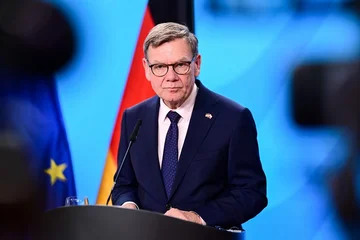
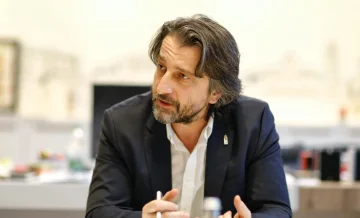
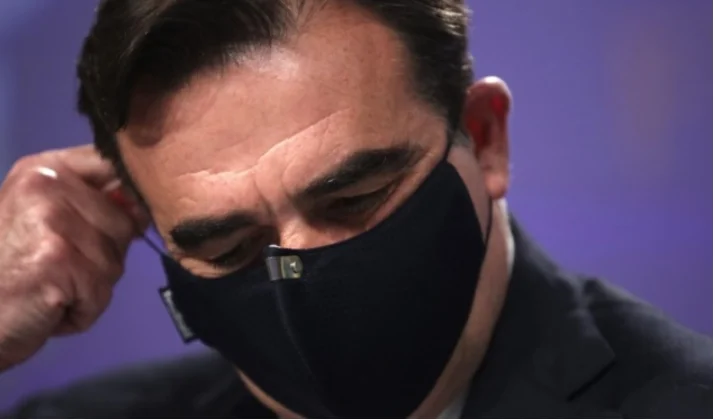
“Virus is always among us and continues to spread”, the institution's vice president, Magaris Schinas, stressed at a press conference.
The increasingly large “Vats, located in some countries, have been signaled. Preparation is essential, mainly before the autumn and winter months”, High Commissioner Stella Kyriakides stressed.
“We have to protect our economies, our societies and our citizens against another wave, like what we've experienced in past months and against the interaction of seasonal flu with COVID-19. I call this a cocktail effect”, she underlined.
It's our responsibility to be fully prepared. This is no time to lower our readiness”, she added.
It asked the 27 EU member states for a strong and joint move by providing them with the Commission's support in their task, the ATS reports.
Health is a national competence, and the European Commission can only make recommendations, which Kyriakides will present and support during a virtual meeting of EU health ministers.
The communication presented today by both commissioners insists on the necessary actions to improve preparation and co-ordination. It requires support for minorities and vulnerable persons and measures to reduce the burden of seasonal flu.
“We have to protect our economies, our societies and our citizens against a new wave, like what we've experienced in past months, and we have to avoid generalisation of restrictions”, Margaritis Schinas underlined.
The commissioner refused any comment on national situations.
“This is no time to make assessments of what has really worked out well and what has not. We're in battle, in action. The moment of balances will come immediately”, he confirmed.
But we've learned lessons from what happened. The beginning of the crisis was not the best moment for Europe. Member States have reacted under pressure and have taken focused measures on national priorities. But monitoring of interdependence took place soon after this phase of lack of co-ordination. People have shown that they expect more from Europe and that is positive”, he underlined.