16 hours ago
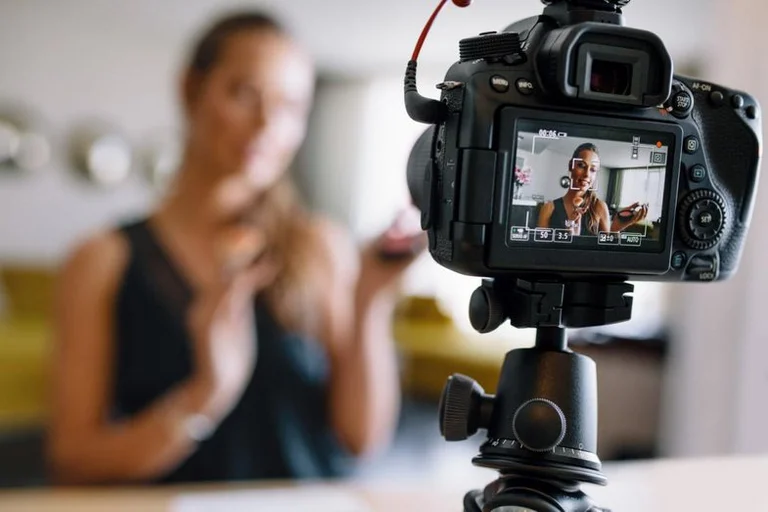
Videophobia: What it is and how to fight it
Periskopi(6 years ago)
(6 years ago)If you don't like to see yourself on the video, you're part of the majority. Such a phenomenon occurs for several reasons. First, formulated in 1968 by psychologist Robert Zejonc, the phenomenon is known as “the effect of exposure” and states that people respond best to [...]
If you don't like to see yourself on the video, you're part of the majority.
Such a phenomenon occurs for several reasons. First, formulated in 1968 by psychologist Robert Zejonc, the phenomenon is known as “the effect of exposure” and states that people respond best with regard to things they often see. Because we look at ourselves in the mirror alone, it creates a “myself-image” that is not what we see in the video.
Second, another reason why we don't like ourselves is “the confirmation of prejudice”. This is our tendency to support some earlier beliefs and our desire to strengthen “heuristics”. Euristics are some “short-term” in the brain, which helps us perceive the world around us at a faster pace. People want to be right, so they look to the brain for information that confirms their thinking. So when you see yourself on video, you try to focus on the details to prove that you don't look good.
Third, the video - viewing complex also stems from fear of prejudice. We do not want others to view what we view as faults.
If you want to fight this compound, you should remember that your brain is lying to you! Remind yourself what makes you not like yourself. You're just finding reasons to confirm what you believe. Do not be afraid to seek help. You might ask someone if they could help you film yourself. Despite all of this, all the uncertainties come out of you, so get free and get in front of the camera. You look great!
Source Layer: Sparkart