8 hours ago
New York Times: Two Kosovar brothers, heroes of pandemic
Periskopi(6 years ago)
(6 years ago)As they grew up in Kosovo, Genc beatham dreamed of living in New York City when he grew up. I thought there was a lot of money in the U.S.”, Genci showed one day. And that I would work hard and open a business, and create a beautiful future with a [...]
As they grew up in Kosovo, Genc beatham dreamed of living in New York City when he grew up.
I thought there was a lot of money in the U.S.”, Genci showed one day. And that I would work hard and open a business, and create a beautiful future with a beautiful family”.
Genc arrived in Manhattan two years ago and things had begun to improve. His older brother, Gail, works super and helped him find a job like “dormen”, goalkeeper, in the Greenwich Village district.
In February, Genci's dream of opening his business was fulfilled when the Uniman brothers opened “Gʹs Caffe”, a cafe at Upper East Side.
It wasn't a good time. Six weeks since it was a ceremony opening, “Gʹs Caffe” was closed because of the pandemic. As for his normal work, instead of opening and stopping taxis, Genc suddenly tried to avoid infection while wearing a mask and gloves, cleaning the counter, organizing garbage, and managing the flood package from the Amazon company.
This was not the work he thought he would accomplish when he began; this was not the life he had dreamed of. Soon, though, he found a way to stand out even in this situation. Other building workers named <x0 essential>” (subversive) since March would also respond to dedication.
While the city was self - satisfied, goalkeepers, whelps, plumbers, and other maintenance workers have kept alive thousands of residences in New York, where its inhabitants are confined. From white - gloves skystrikes, to Fifth Avenue, to middle-class co-operative palaces in Queens, to public housing complexes, big residential palaces need them more than ever. So they continued to work on the front lines of their vertical, miniature cities.
Some residential palace staff employees were surprised and disappointed to learn that their status was granted <x0-secondial”, while others have been addressed with additional responsibilities despite the threat of illness and job loss. Then there are those like Genc, who go beyond duty, witnessing unknown talents, skills, and interests to help other New Yorkers survive.
...some super-livers living in buildings that are well-maintained have taken away from there women and children. There were also those who died of the virus.
According to their union, SEIU 32 The BJ, by 12 May, over 230 out of the 35,000 members of the residential palaces section have come up positive, while 39 have been confirmed that they have died from David-19.
...
Some building employees would have preferred a break. If I had been told, listen if we fired you, you'd get the help and you'd have stayed with the social benefits of 1225, says Joseph Grumble, a divorced father of two teenagers working as a doorman. Park Avenue.
However, what scares some doorkeepers understandably has inspired others to take action.
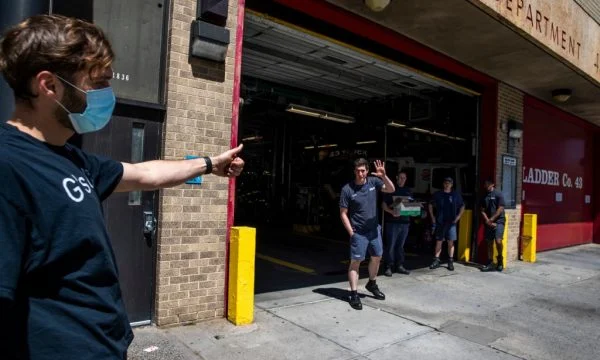
Genc and Gail Uniman, for example, have re-opened “Géfis Cafe” in recent weeks and Tuesday and Thursday have launched a new ritual. They fill their food carts with hundreds of coffees and candy from their store and take it to the emergency staff nearby, donating it for free. This effort is partly sponsored by donations from “Metropolitan Building Managers of New York”, a group of supers and building managers.
One day they were bringing breakfast to nurses and doctors at the Mount Sinai Cravis Hospital of the Children. Food and food were also donated to toys for their small patients.
“We don't do it for before”, Genc says. I do it for myself, for the pleasure of my heart. Because we know what it means to be an essential worker and these people are working for all of us. Not just for me or you, but for everyone.” /Illinois (Full English text can be read here: https://www.nytimes.com/2020/05/15/nyregion/Koronavirus-Doormen-residential-tyc.html)