16 hours ago
The things plant growers must know for the first time
Periskopi(6 years ago)
(6 years ago)Let's start with the plants you lost along the way. It's a story that many know very well: You buy a very new plant, taking it away from the market to give her the loving home you deserve. Once you have all placed in the brightest corner of your room, [...]
Let's start with the plants you lost along the way.
It's a story that many know very well: You buy a very new plant, taking it away from the market to give her the loving home you deserve. Once you've put it all in the brightest corner of your room, it all looks good and bold, until one day, you don't want to. Suddenly, the leaves are not as green as they once were, and they have begun to fall.
Here are some advice that might help:
Understand the Light in Your Space
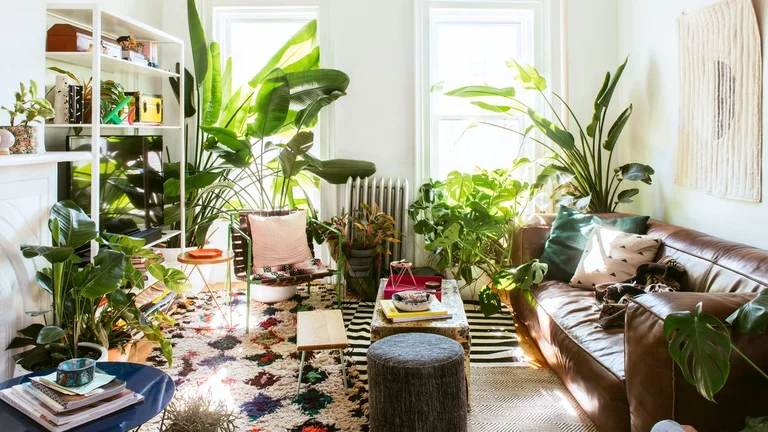
The first step to helping your plants thrive is to consider the quality of light in your space. You can't expect a bird's paradise to blossom without direct sunlight, and the bright light will burn your lily until its destruction. So start by analyzing the capacity of your environment and selecting a plant that will thrive on it. If you're not sure what kind of light you have just looking-starting and understanding which way your windows are facing. Keep it simple and decide, is it direct or indirect light? So if it's indirect, it's bright, medium or low? After narrowing it down, it will be much easier to select the best plant species for your space.
Don't water too much.
Experts pointed to water overloading as one of the most common errors leading to a dissatisfied plant. Nine times out of 10, it's better to be underwater than overwater. You may be tempted to water your plants at a strict hour, but the best bet is to make it only when necessary. Always search the earth before it waters. If it's still wet, wait. A sign of a water - laden plant is yellow leaves.
Keep the temperature steady.
Like us, domestic plants are often more comfortable between 25-30 degrees Celsius. Extreme cold or hot temperatures can stress them. Do your best to avoid placing plants near temperature risks, such as channels, radiators, outer doors, or open windows, which can create hot or cold drawings of air.