a day ago
Ordinary can protect against Coddy-19, destroy it before infecting cells.
Periskopi(6 years ago)
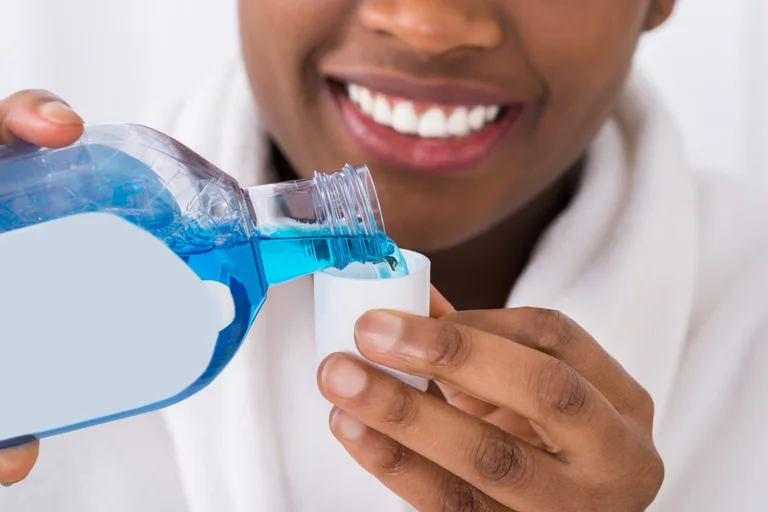
(6 years ago)Oral washing can protect against COVID-19 by destroying the outer layer of fat that the virus uses to connect to human cells, say scientists washing the mouth has the potential to protect against COVID 19 infection by killing the coronary before infecting human cells, according to a new report. Coronavirus belong to the class [...]
Oral washing can protect against COVID-19 by destroying the outer layer of fat the virus uses to connect to human cells, scientists say
Washing the mouth has the potential to protect against COVID-19 infection by killing the coronavirus before infecting human cells, according to a new report.
Coronavirus belong to the cervirus class wrapped up “, which means they're covered by a fatty layer that is sensitive to certain chemicals.
A team of international researchers say mouthwashing can destroy the virus, preventing its spread of mouth and throat.
Scientists say there is an urgent need to test the effectiveness of mouthwashing because there is currently no clinical evidence.
The World Health Organization has said: There is no evidence that the use of mouthwashing will protect you from infection with the new coronary.
The authors of the study, led by Cardiff University, say the mouthwash should have further research and clinical evidence.
“The mouthwashing so far is not considered by public health organs in the United Kingdom”, Principal author Professor O'Donell, co-director of the University of Cardiff's Immitary Research Institute, said.
“Under experiments, products that serve as mouthwashing contain a lot of known visual components that are a big threat to all viruses. What we don't know for sure is if washing the mouth with these products is effective even for the coronary. Our review of literature suggests that research is necessary and an urgent question to determine its potential against this new virus.”
All products that serve as oral cleaning have the potential to prevent infection, and some “deserve clinical assessment”, Professor O'Donnell said it.