The history of balconies from antika to their new significance at the time of the coronary pandemic
 (6 years ago)
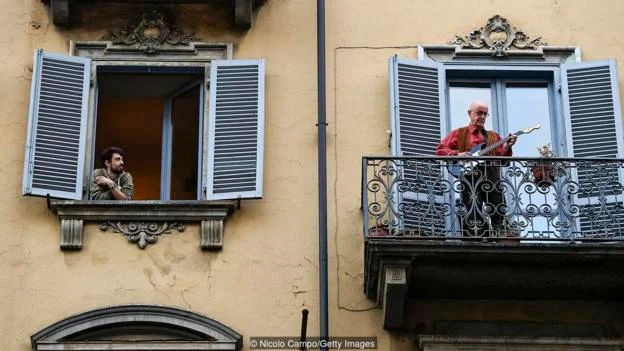
Ballcones are always designed to impress and inspire the masses. But during this pandemic time they have taken on new importance. In recent months, Italians and other peoples worldwide are staying in quarantine and using their balconys to sing and applaud the medics in an effort [...]
In recent months, Italians and other peoples worldwide are staying in quarantine and using their balconys to sing and applaud the medics in an effort to boost the country's collective morality.
And these practices have spread around the world now, as more than half the planet's population are staying closed.
People around the world have held concerted balconies for their quarantined neighbours, and the terrace balconies are serving as a source of hope.

However, despite cultural importance, balconies, these ancient platforms have long been used to impress, unify and inspire the measures, the BBC writes.
Above all, one of the most famous and romantic scenes in Western literature, Rémeo and Juliet of Shakespeare, was played on a balcony.
And there's a balcony in the Vatican where the Pope still blesses millions of believers every Sunday.

Ballcones have been an architectural element for thousands of years and their roles have evolved to adapt to local cultures and customs over the centuries.
Thus urban archaeologist Mary Shepperson suggests that balconies may date back to 3,000 years B.C.E. in Iran, where the ancient Mesopoltamas built for shade to protect themselves from the sun.
As their balconies evolved, their models became more detailed. Starting in the Middle Ages, masrabiya - covered balconys were built in most of the Arab world to allow residents to enjoy fresh breezes while respecting Islamic privacy laws.

In the Renaissance, balustour balconys became part of many Italian buildings. /Periscope.