an hour ago
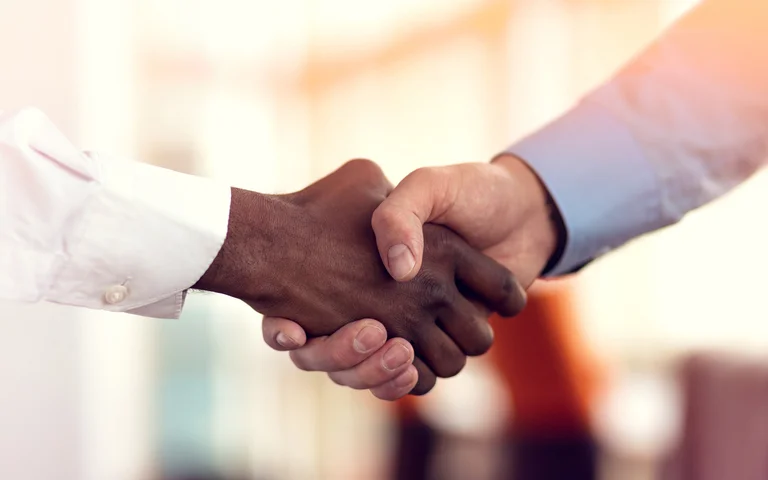
Goodbye, handshake? How is the pandemic eliminating the friendly gesture of interaction
Periskopi(6 years ago)
(6 years ago)It began several centuries ago as a symbol of peace, a gesture to prove that you have no weapons. In time, he became part of daily social, religious, professional, or sports interactions. A way of people to signal each other, and in the case of political leaders, even to show dominance. “
It began several centuries ago as a symbol of peace, a gesture to prove that you have no weapons.
In time, he became part of daily social, religious, professional, or sports interactions. A way of people to signal each other, and in the case of political leaders, even to show dominance.
The motion of holding hands is a kind of manly gesture, compared to French or Oriental bending. He has become a man's test”, says Dorothy Noyes, professor of folklore at Ohio University, U.S.A.
But the new coronary pandemic has forced society to take a different view of the handshake. No matter how friendly it is as a gesture, it poses a danger to the transmission of infectious microorganisms.
One of the main problems is that anyone who gives you a hand can pass infectious microorganisms. Think about this next time you cough or go to the bathroom. Practically you collect germs all the time”, says microbiologist Charles Gerba.
But if the handshake is no longer acceptable, what could replace it?
A punch or elbow meeting? Maybe a Japanese ice bend or a spook-style greeting in Star Treck. We're social beings and when we meet our largest organ, skin and other people's.
It has become clear in the midst of the ward of David-19 how much of an intimate gesture this is. In our palm we have hundreds of kinds of bacteria and viruses, and according to experts, every time we touch an area we can get 50% of the organisms there. Our hand can hold Solomonella, Esshericia Coli, coronavirus, and respiratory infections.
Microbiologist Charles Gerba says that he no longer hands anyone since 2003...