an hour ago
Here is what you should do if you are fasting and are sensitive to coronary
Periskopi(6 years ago)
(6 years ago)Muslims began the holy month of Ramadan, meaning they will fast from sunrise to sunset every day. This is the ninth month of the Islamic calendar, when fasting is compulsory for all adult Muslims who are not acute or chronically ill [...]
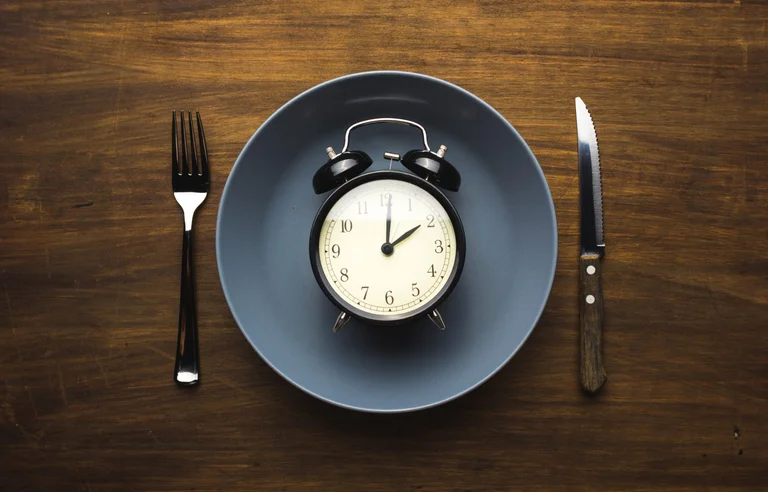
Muslims began the holy month of Ramadan, meaning they will fast from sunrise to sunset every day.
This is the ninth month of the Islamic calendar, when fasting is obligatory for all adult Muslims, who are not acute or chronically ill, elderly, pregnant, breast - feeding, diabetes, or menstruation.
This is also the first Ramadan to overturn the terms of the impasse brought by the Corleone pandemic. This means that no Tarah prayer or any congregation in the mosque is allowed by isolation.
Some people are especially vulnerable to coronary. They may choose not to fast if they show symptoms of Ovid 19 or if they fear that the content of food and drink may weaken their immune system.
The general consensus is that you are feeling well and do not have a basic state of health, yet it must be safe for you to fast during Ramadan. Dr Asim Yusuf, the researcher and chairman of the Board of British Scholars and Imams and consultant psychiatrists, told Metro.
The Ramadan fast is a beautiful opportunity to draw close to God and develop empathy links with the poor”.
We advise Muslims to take into account their health conditions and to discuss them with their health professionals, as well as imams, especially in light of the recent guidelines made by the British Islamic Medical Association, which provides balanced, clear, and evidence-based guidelines concerning the Individual-19 and chronic health conditions.
The main messages are to stay at home, to pray from home, to share iftars at home in order to save lives.