6 hours ago
Why the Dutch homes have no curtains
Periskopi(6 years ago)
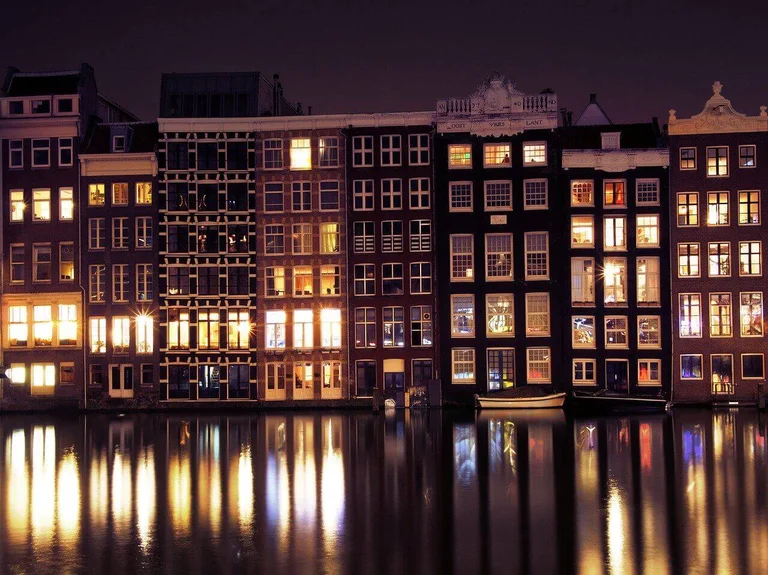
(6 years ago)For many visitors, as they roam the fascinating streets of Amsterdam or other cities, one of the most interesting discoveries is that they can easily see inside their homes. Locals don't close curtains, no blinds, or in some cases, no curtains at all. A number of questions have been raised about this phenomenon: There is one [...]
Locals don't close curtains, no blinds, or in some cases, no curtains at all.
A number of questions have been raised about this phenomenon: It's a mentality to say “I have nothing to hide” or to say “Look what I got? Or both?
The most often used explanation refers to the Protestant religious tradition of Calvinism, which insisted that honest citizens have nothing to hide.
However, the desire to show furniture and furniture can be another explanation. Increasing living standards over time have promoted the desire to display what he possesses.
Others say that this phenomenon is also explained by the way business was done in ancient times. People left the curtains open to show mobile rooms, decorations, art works, as a way to promote themselves to merchants, writes Annabel.
It is also thought that tradition dates back to 1950 and is beginning to change. Helje van der Horst and Jantine Messing, anthropologists, investigated this phenomenon in 2006 and noticed that the open curtains were more present in communities where people are in contact and have a kind of ratio.
Another explanation is the culture of locals, who want to see what happens across the window. They like to see the lights, people walking, rushing the mornings and so on. Interaction outside helps promote open culture, which the Dutch are known for.
Note: The Protestant ʹ joint appointment of certain Christian beliefs that broke away from the Catholic Church in the XVIth century. Calvinism é branch of Protestantism that follows theological tradition of John Calvin, one of the theologians of the Reformation era.