8 hours ago
Should couples sleep separately?
Periskopi(6 years ago)
(6 years ago)Someone proposed setting up a button when pressed, inform your partner that you're in a mood for sex. You say you're in the mood for sex, it's faux after all. On the other hand, Ford proposed a product even less romantic than this one, a kind of technology that makes a partner stand on the side of [...]
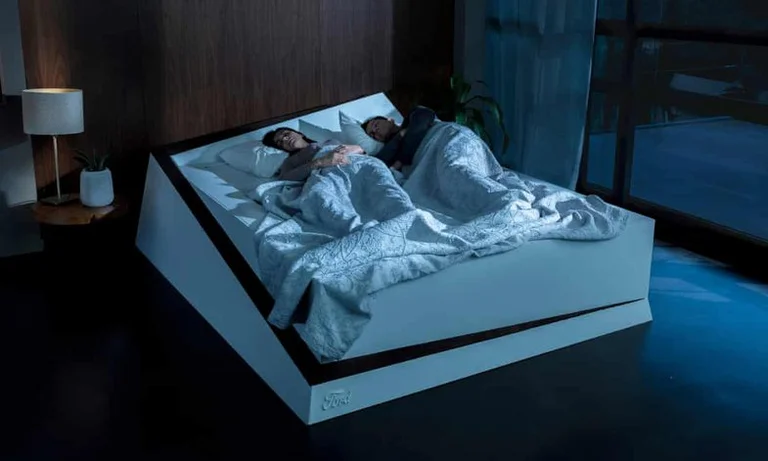
Someone proposed setting up a button when pressed, inform your partner that you're in a mood for sex. You say you're in the mood for sex, it's faux after all. On the other hand, Ford proposed an even less romantic product than this one, a kind of technology that makes a partner stand on his side of the bed.
The mattresses designed by Ford will include a mechanism that drives partners to their side of the bed if they begin to occupy more space at night than they meet. According to studies (no doubt financed by mattress producers), one in four people sleep better when he sleeps alone. Which makes sense because there's no one who steals your blanket and nobody wakes you up in the middle of the night with scratches. But the idea of couples sleeping in separate beds is sad. Looks like a step away from Helen Bonham Carter and Tim Burton, who lived next door to each other.
Perhaps Ford intends to avoid sleeping in separate beds, even though it remains strange why a car company is involved. Perhaps rested people buy more cars. However, there is another problem. Couples, in bed, do things other than sleep. Things that need intimacy and intimacy.
“People are very vulnerable when they sleep,” says Neil Stanley, author of <x2How to Sleep Well, “so we're programmed to wake up when someone or something touches us.” But when you're in bed with your partner, a touch is not surprising. That's why you're there.
By Hannah Jane Parkinson for The Guardian