an hour ago
12 Cooking Customs That We Did Not Know Were Harmless
Periskopi(6 years ago)
(6 years ago)Cooking at home is of high priority. Consumerizing cooked meals at home often helps you to meet all your dietary needs, suggests research. However, it is truly important to follow certain rules to keep your food safe for food. We decided to dive deeper and to [...]
Cooking at home is of high priority. Consumerizing cooked meals at home often helps you to meet all your dietary needs, suggests research. However, it is truly important to follow certain rules to keep your food safe for food.
We decided to sink deeper and find out what common mistakes we all make while cooking.
Dangerous bacteria cannot be recognized either by the appearance or taste of food. However, even a small amount of such bacteria can lead to serious food poisoning. To avoid it, drop any product if you suspect they're rotten.
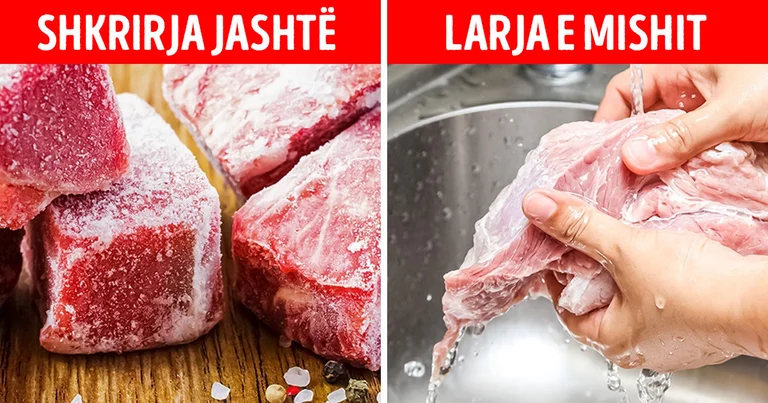
Melting the Meat Out
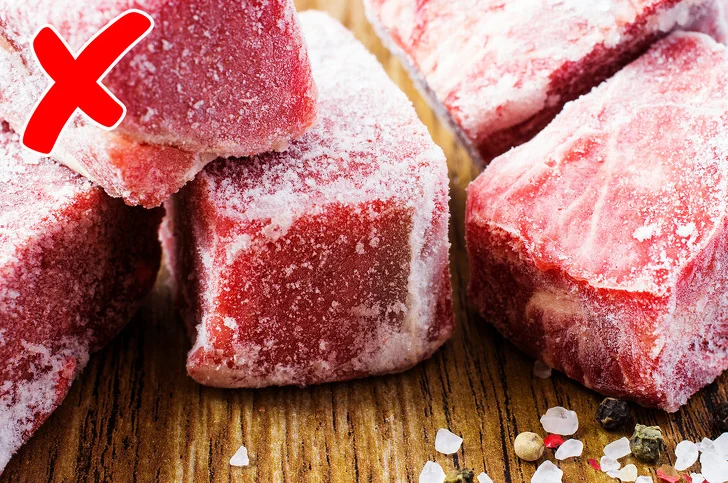
The temperature range considered dangerous for food conservation is between 5 ° C and 60 ° C. At this temperature, harmful food bacteria can grow rapidly. That's why you always have to lift meat into refrigerators or microwaves.
Washing unripe meat

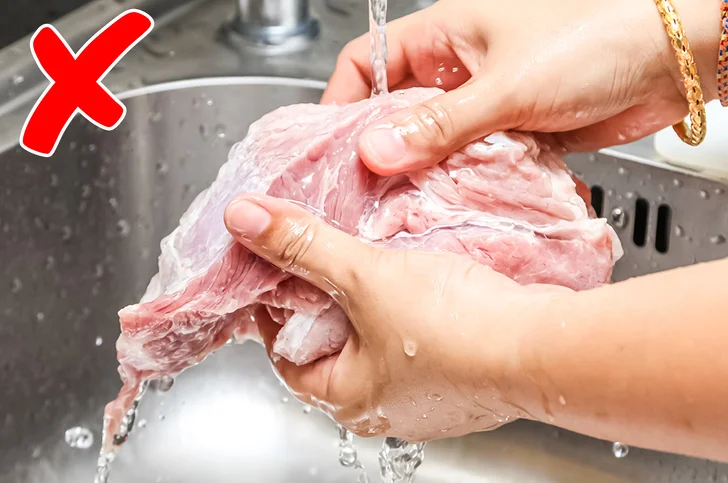
We have an idea that when we wash something, we clean it up anyway, that's not true in the case of meat. Washing the raw meat of birds, calves, swine, and lamb before cooking is not recommended by experts. The reason is that meat bacteria can easily spread into products, surfaces, and other tools.
Feeding before putting in a refrigerator
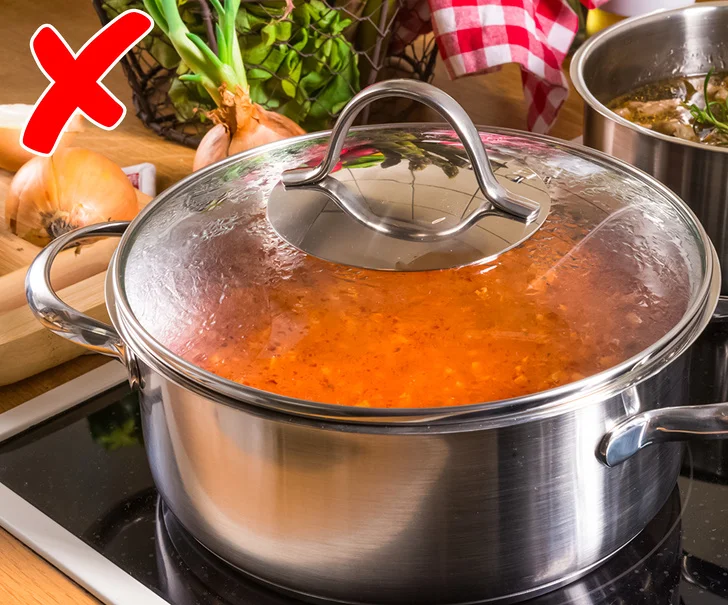
This rule is due to the same reason that freezing meat outside is a bad idea: bacteria grow rapidly while at temperatures of 5 ° C to 60 ° C. That is why it can be really dangerous to leave products to rot outside the refrigerator for more than an hour or two.
Testing food to see if it's broken

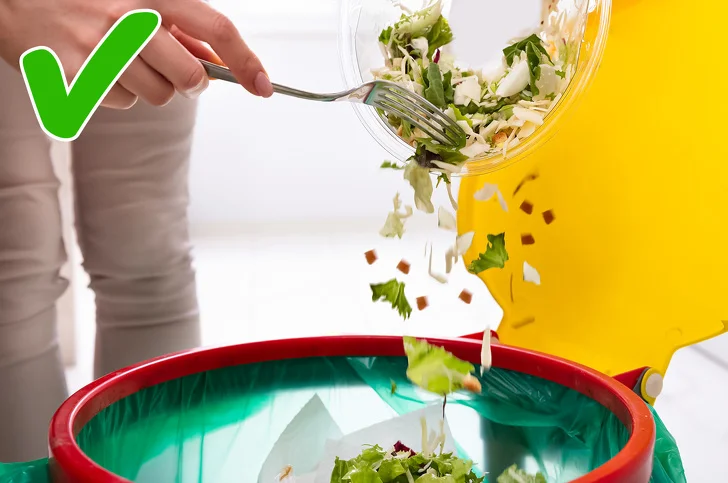
Dangerous bacteria cannot be recognized either by the appearance or taste of food. However, even a small amount of such bacteria can lead to serious food poisoning. To avoid this, waste any product if you suspect they are rotten.
Evidence of the Raw dough

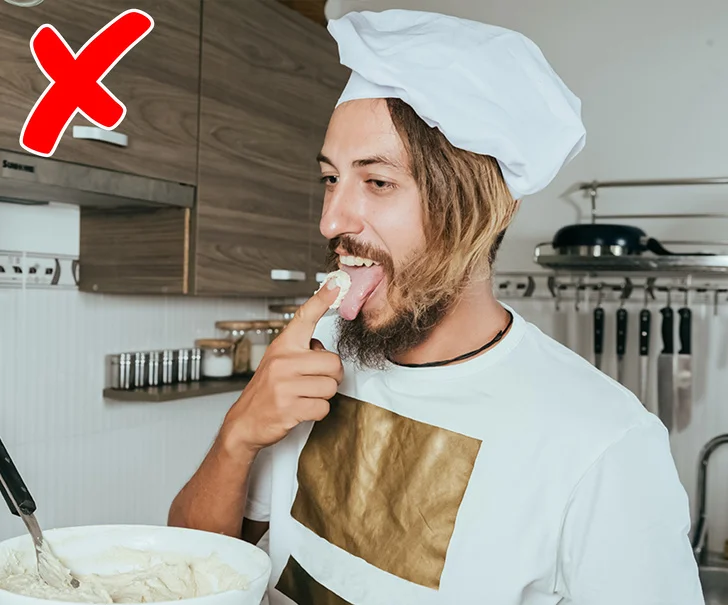
You should never eat immature eggs in any form. There is a great opportunity for it to contain bacteria known as salmonella, which is very dangerous for humans. Moreover, do not taste ripe flour, even without eggs, for you could carry E. The coli that can cause different infections.
Meat or Fish Marine

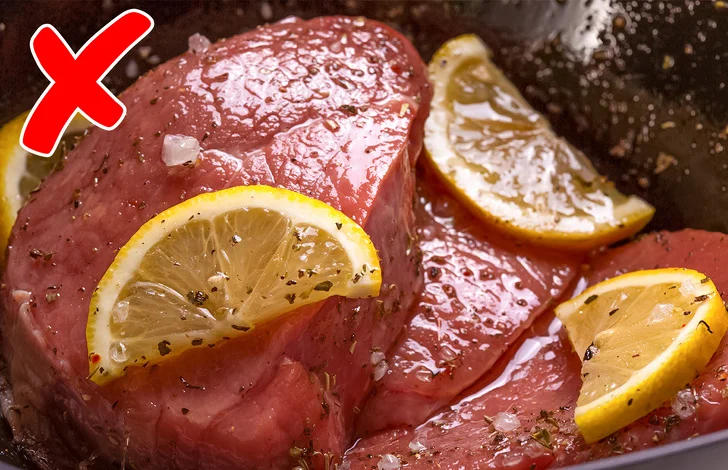
This is also a more typical food - poisoning mistake. Again, always remember the dangerous temperature range for the growth of bacteria. When you marine meat outside the refrigerator, you violate that rule.
Garbage of Meat or Fish
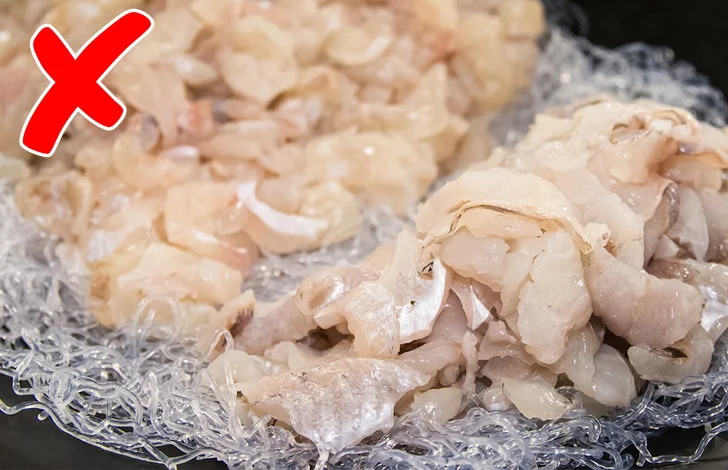
Food is considered safe only when it is heated at certain temperatures. This is the best way to ensure that all bacteria are gone. To make sure that the fish or meat is properly cooked, you can use a kitchen thermometer.
Avoid washing hands before cooking
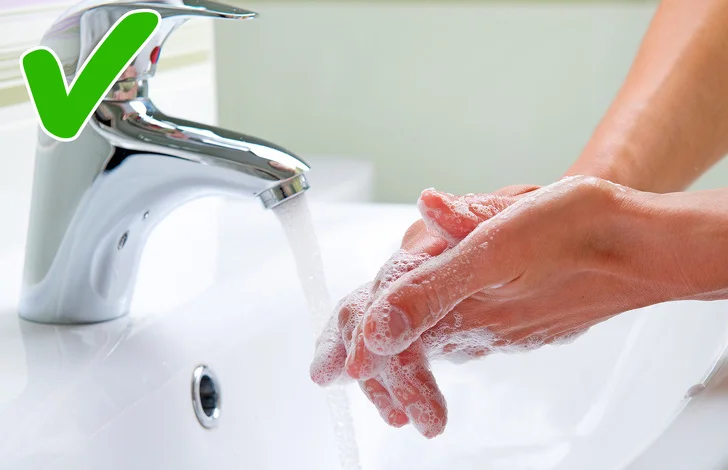
Bacteria live on all surfaces, even in our own hands. Imagine how many things you touch during the day, and when you start cooking without washing your hands, you can transfer all those bacteria to your food. And don't forget to wash your hands when you're done!
Buying chicken filled with brine or added water
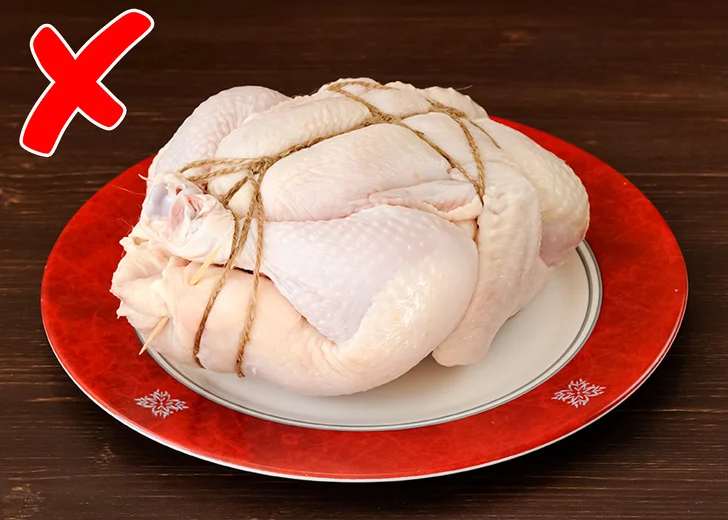
Many poultry manufacturers inject brine or water into their meat to increase the weight of their products. First of all, such products are not safe, so pay attention when you buy a chicken and read carefully the added ingredients. These extra things can also affect the taste of your meal.
Honey Exploration in High temperatures

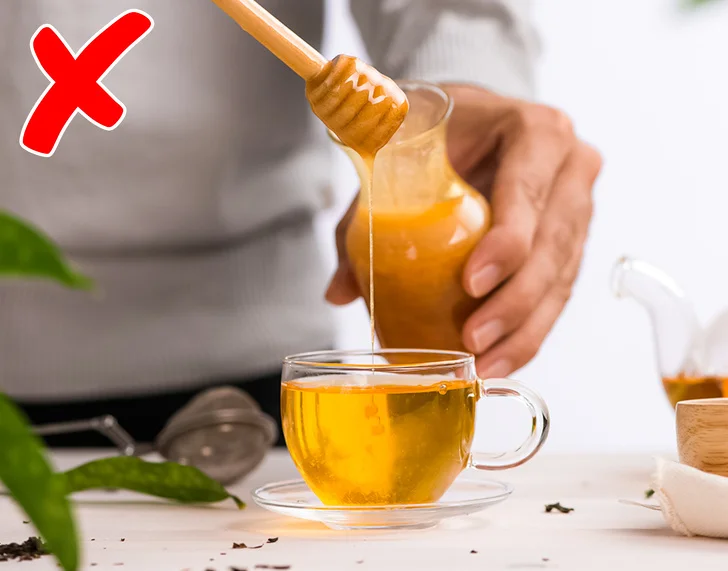
According to the study, high - temperature exposure of honey can lead to a decrease in its quality and can lead to an increase in some carcinogenic compounds. So it is better not to add honey to hot tea or meal, for example.