12 hours ago
10 Ways to Remain Safe From an Plague
Periskopi(6 years ago)
(6 years ago)During the time of an epidemic, people may easily fear and feel that it is inevitable not to get sick or take some drastic measure to save themselves. The important thing is to investigate what experts say and find out what different sources agree to keep you [...]
Keep the sick family members at home.
One reason why people tend to get sick during the winter months is that cold weather often forces people to stay together in closed spaces, making it easier to spread diseases. Knowing this if you or a loved one are already showing signs of illness, avoid going public. In the worst cases, sick people may be placed under quarantine or isolation.
Medication before symptoms appear.
For people who already take asthma or allergies medication, it may be a good idea to talk to their doctor about a pre-medification plan in which they deal with symptoms before they happen to help prevent the risk of the disease.
Check the articles you regularly use.
Just as people need to avoid going public when they get sick, it can be equally important for people who enjoy good health to avoid close contact with people who show visible symptoms. In the same way, you should regularly clean up items that are often affected in your home or at your workplace, so that you can avoid indirect contact with a sick person.
Cook properly the meat and the eggs.
Food can contain poisonous bacteria, and it can make people sick when you consume it or simply touch it. Most foods, especially meat, birds, fish, and eggs, must be cooked properly to kill these bacteria. Normally, food should be cooked to about 167 ° (75 °C) or hotter and should be at least 140 ° (60 °C) when eating.

Avoid contact with animals.
Various animals can carry harmful germs that can cause a variety of diseases in humans. Known as zoonotic diseases, they can spread with touch, bite, or even in the same area as animals. Farm animals and wild animals can be dangerous to humans, especially during an epidemic. Avoid these animals as much as possible. If contact is inevitable, it is good to wash and clean your hands after handling them.
Clean your towels.
Fishmen can be an educational soil for germs, especially when sick people use them. It is important that people clean and replace towels in their living spaces, such as kitchens or baths.
Stay hydrated.
When you feel good, your body begins to use more fluids than usual, so you can become dehydrated without realizing it. Drink about 8 cups of fluid a day, such as water, soup, juice, milk, or coffee. Avoid sugar or caffeine.
Buy spare food.
If your area experiences an explosion, you will not be able to leave the house. To prepare for this, it may be a good idea to get food and water for about two weeks. Try to find perishable food, such as boxes and canned food, which can be easily preserved. Also make sure that you store toilet paper, cleaning products, sanitation, and any medical equipment you need, such as medicine.
Put gloves on in public.
As mentioned, germs often spread with their hands. Wear gloves and surgical masks can help you, but you need to use them properly. For gloves, it is important to remember that you can take germs into your hands when you remove gloves, so make sure that you wash your hands regularly after the removal, like health - care workers. In fact, washing hands while wearing gloves is often a good idea.
Be careful with the masks.
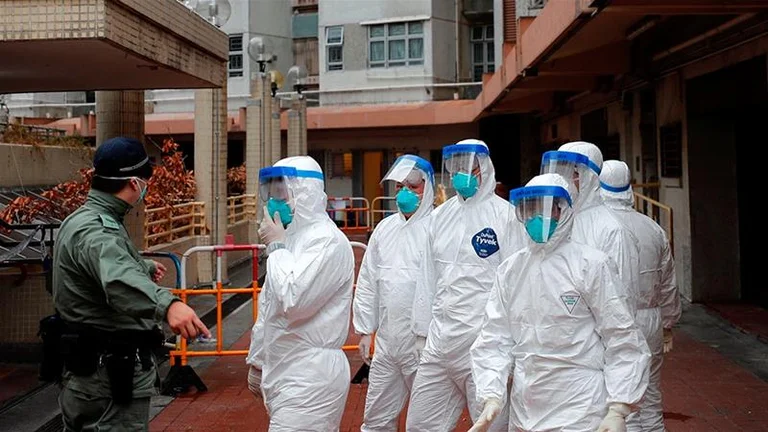
In general, masks are beneficial, but people usually use them improperly. Starters must be protected from people who already have signs of disease to avoid spreading possible diseases. Masks are especially important for health - care workers and people who care for others in nearby areas. When the mask is on one side in color, it means that it is the outside, and it is important to put it in the right way to use the filter. It is also important to change the mask after any use and to clean your face and hands before and after any use.