12 hours ago
All you need to know is if you're pregnant at this time when the coronavirus has spread
Periskopi(6 years ago)
(6 years ago)If you are pregnant, you should not panic but certainly have to protect yourselves. If you're pregnant, you already have so much to worry about: Are you eating enough? Are you eating too much? Did I forget to take my vitamin this morning? Is that a normal pain in my stomach or something more serious? And [...]
If you're pregnant, you already have so much to worry about: Are you eating enough? Are you eating too much? Did I forget to take my vitamin this morning? Is that a normal pain in my stomach or something more serious? And the last: Am I getting too worried?
The infection with COVID-19 was first discovered in the Chinese town of Wuhan last December. Since then it has spread to over 100 countries.
BuzzFedNews through an article has been trying to answer all the questions related to pregnancy at the time when COVID-19 is widespread:
Are pregnant women most at risk of infection by COVID-19 or of showing severe symptoms
Unfortunately, as many in this epidemic, there is not yet sufficient evidence. In general, though, a person who is pregnant has the greatest risk of contracting viral infections in respiratory ways, such as the flu and feeling the most severe effects.
This is because pregnant people have a weaker immune system because their bodies are working overtime to create a child. But this should not be cause for alarm.
There are several diseases for which pregnant women are more sensitive. And we don't know now if COVID-19 will be one of them”, Roger Shapiro, a professor of immunology and infectious diseases at Harvard Medical School of Public Health, said.
What happens to pregnant women who are infected with Coronavirus

According to a study released last month, of nine pregnant women reportedly admitted to Yehan's University Hospital in China in late January, seven had a fever, four had coughs, three had muscle pains, two had throat pains, while two reported general discomforts.
None of the patients developed heavy COVID-19 pneumonia or died, on February 4, 2020”, according to the authors of the study. Four out of nine women were born prematurely, though after the 36th week of pregnancy. Whether this was due to illness or not is unknown. Babies are born relatively healthy.
Three other pregnant women diagnosed with the disease in early February were born at Tong Hospital in Wuhan, according to a paper published on February 25th. Two women had fever and one had coughs; neither experienced the worst symptoms during the study period. All three babies are born without major complications.
A Third Study in the magazine Translational Paddys He analyzed five Chinese hospitals, where nine infected pregnant women were born 10 babies. The most common symptoms in women were coughing and fever. While four of the babies were born full - time, six were premature, and some experienced panting, or fever. At the end of the study, five babies were released, four remained in hospital in stable condition, and one died after failing organs.
Are Babies Most Threatened by Disease
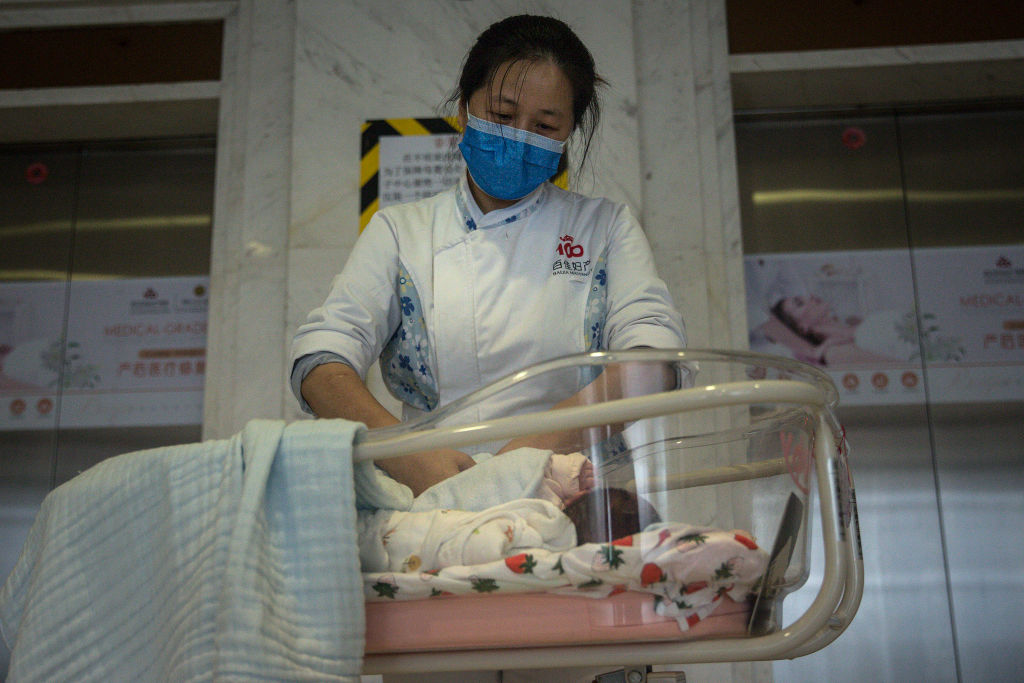
Again, there is not enough evidence to say finally, but the evidence thus far indicates that infants have not been severely affected. According to a study on the American Medical Association Journal which studied detailed infections in nine Chinese babies, all from one to 11 months, none of the babies “required intense care or had any serious complications”.
All nine babies had at least one member of the infected family. The good news is that babies don't seem to have serious diseases, but there's really little data so far”, Shapiro said.
How Can I Avoid Infectation of Myself or My Baby?
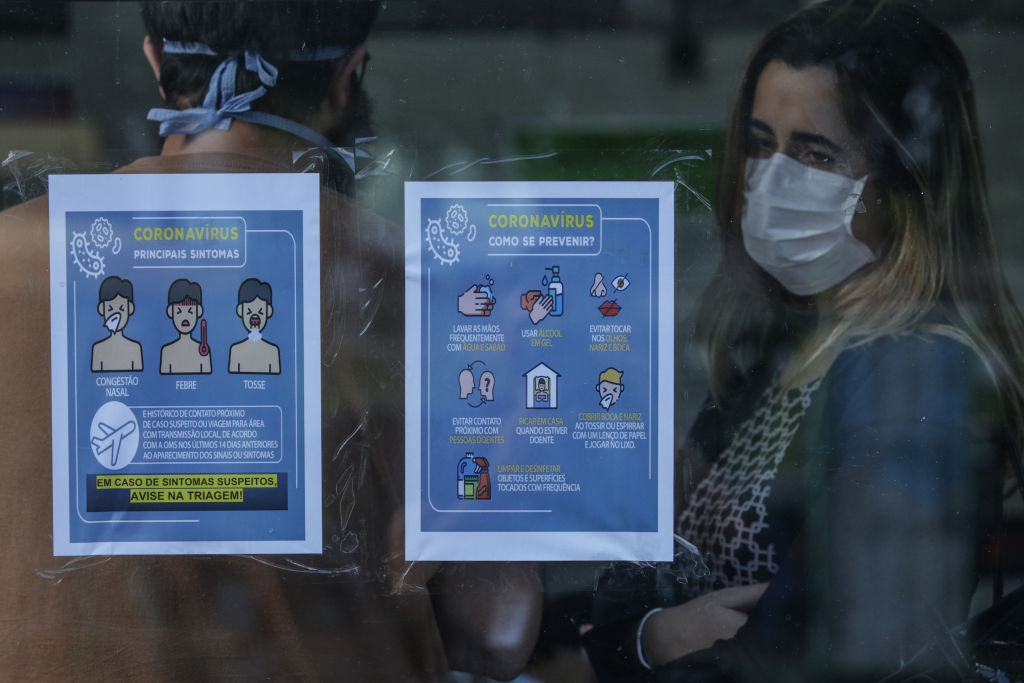
“First and most importantly, get a” flu vaccine, Shapiro claims. The flu is even more common than coronavirus, and it is known to pose a danger to pregnant women and babies he added.
The babies may receive flu vaccines from six months of age. Moreover, follow all the same precautions that public health officials are recommending for the general population, including: wash your hands with soap and water for 20 seconds, make sure that you wash your hands often, avoid touching your face, clean soap and water or alcohol - based cleaners (both can help destroy viruses) and, above all, avoid people you know are sick.
What should I do if I think I'm sick or if my child is sick
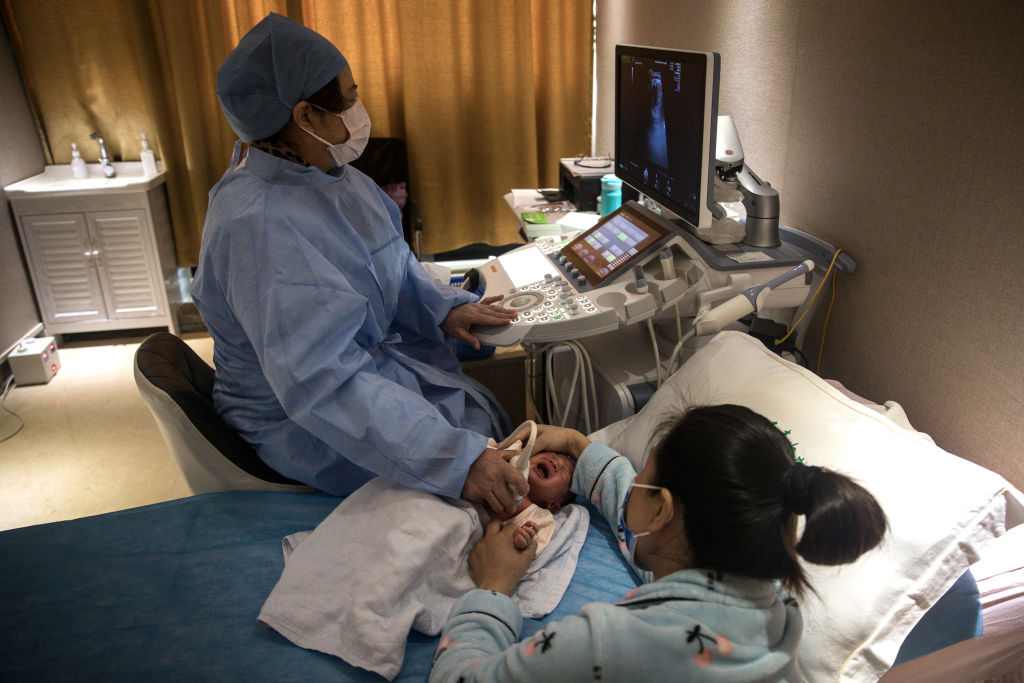
You must immediately contact your doctor over the phone. If you are pregnant, even light fever may pose a danger to you or your unborn child.
Newborn babies are also considered vulnerable to disease. If your doctor considers it appropriate, try testing for both the flu and COVID-19.
“It is important to diagnose early and monitor”.