a day ago
Mothers say that the desire to clean the house can be a sign that the child will soon be born

Periskopi(6 years ago)
(6 years ago)Many mothers claim to have a request to organise, clean and decorated the house weeks before the birth of their babies. Although it may seem that it is simply a mixture of joy and anxiety, they are sure that painting, washing all the carpets, and reorganizing the living room is [...]
Although it may seem that it is simply a mixture of joy and anxiety, they are sure that painting, washing all the carpets, and reorganizing the living room is a sign that the birth is soon.
Below, find more information on this thought:
“chat psychology”
Like any other radical change in life, future mothers do not want to be caught ready when the child comes to life. It is only natural to prepare yourself by putting in the baby's room, buying clothes, and collecting diapers. After all, the child will come at some point and need all these things. But some women believe that when a mother is closer to birth, this requirement to be ready to grow, says Brighton Side.

It's called “fole” and a study by McMister University in Canada suggests it comes from evolution. As Dr. Anderson explained, the psychologist who conducted the study, “It peaks in the third quarter after the baby's birth approaches and perhaps serves the same purpose in women as in animals”, which means a safe environment for the child and encourage the bond and connection between the child and his parents.
The Role of Estrogen
Other research explains that “thete” can be caused by the same hormones that increase their stomach: Estrogen. A woman's body produces it in large quantities when waiting sweetly. It gives her an energy force that makes her engage in more physical activity.
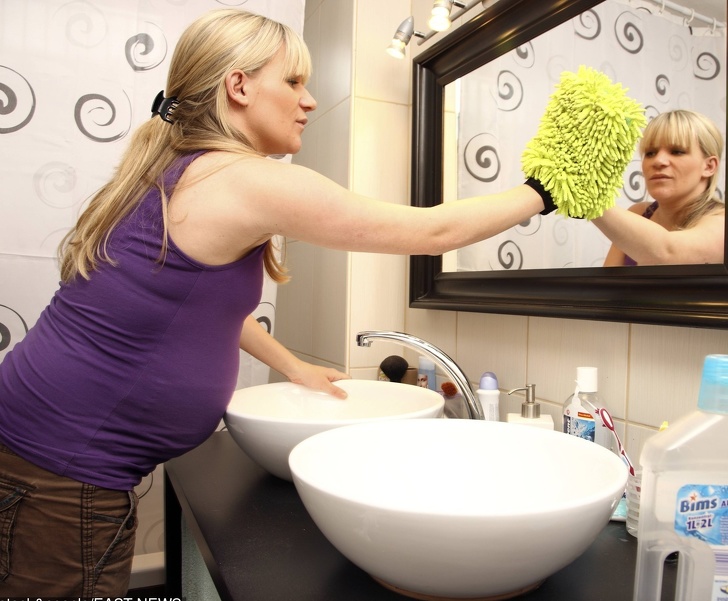
Considering the estrogen levels at the highest level during the last three months of pregnancy, it is no wonder that women want to get up and do things to prepare for their child. Their bodies are directing them to do things.
Why “the nest” is seen as a sign of birth is near
But in addition to being a psychological response guided by hormones, tradition says that “the verb” can be read as a sign that birth is near and that it can be seen as an alarm from the body.

“The nest” appears so close to a woman's due date that it is confused for a symptom that the child will arrive soon. But because it may appear during the second quarter, it should be viewed as a psychological symptom, not a physical symptom that the mother will give birth. In fact, some women never experience “folioten”, and others report it in the first and second quarter, far away from their proper date