4 hours ago
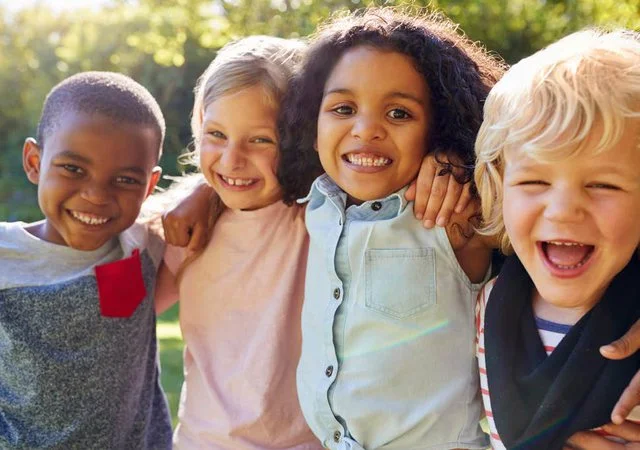
Why do children who are accustomed to saying magic become good people
Periskopi(6 years ago)
(6 years ago)Parents do their best for their children. To teach your children expressions like "Thank you," please, or others like that means that you're teaching them the secret to lasting happiness. Expressing gratitude has benefits in psychological health. According to some studies, there is a direct connection between good health and [...]
Parents do their best for their children. To teach your children expressions like "Thank you," please, or others like that means that you're teaching them the secret to lasting happiness.
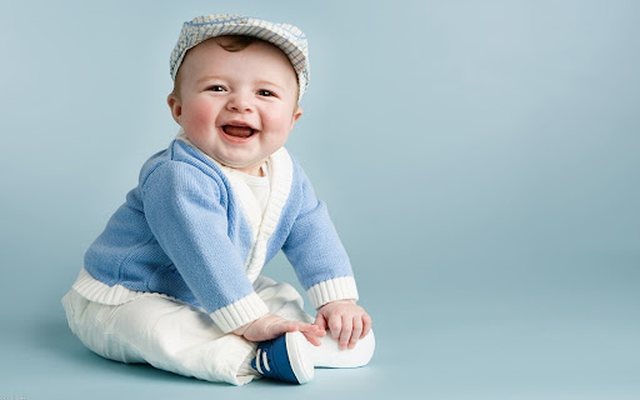
Expressing gratitude has benefits in psychological health.
According to some studies, there is a direct link between good health and expressions of gratitude. Gratitude makes people feel more positive emotions, experience good experiences, and improve their health.
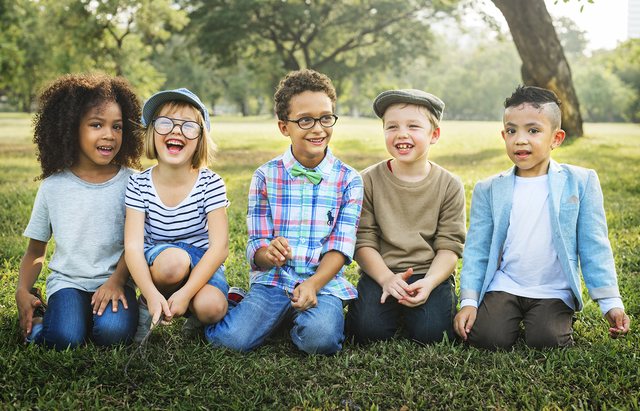
Gratitude helps develop relationships.
Children are like sponges, so it is important to teach them what values give them a strong character. According to Jean Piaget, a child development expert, the best age to teach children values is between 2 and 7. During this time, intelligentintuita has developed and children become progressively aware of the true values of respect, sensitivity, and prejudice.
Counsel and techniques on how to raise grateful children:
- Set an example: The children observe what their parents say and do, so you have to be careful, because they're tracking you.
- Open your gratitude: Discussing the concept of gratitude makes children aware of its importance and tends to develop it on their own.
- Thank you for part of your life: Teach your children to practice writing 2-5 things they are grateful for each day and to explain why each one makes them feel that way.