12 hours ago
What happens to the body during self-isolation
Periskopi(6 years ago)
(6 years ago)A long stay at home, a lack of physical activity, and a reduction in social relations have visible consequences on our bodies and minds. Lack of walking or other physical activities greatly affects our mental health. This explains why you feel sad now (or in the following days), easily irritated, or after [...]
A long stay at home, a lack of physical activity, and a reduction in social relations have visible consequences on our bodies and minds.
Lack of walking or other physical activities greatly affects our mental health.
This explains why you feel sad, easily irritated, or at times unpleasant feelings that seem to come from nothing.
Only two weeks' absence of activity is enough for your muscle mass to weaken. Studies have even shown that long - practice obezes and then take a month off, lose all the improvements they may have received during aerobics.
Standing at home for days causes muscle weakness, so it is important to practice in your environment.
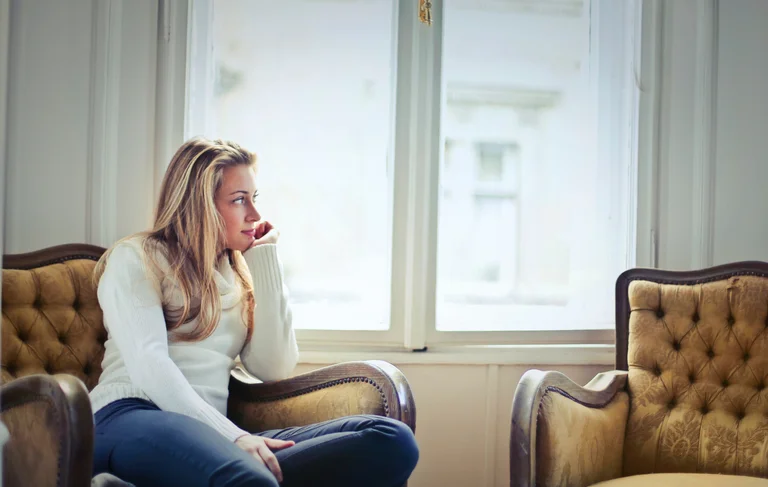
Of course, this difficult period is associated with post traumatic events, depression, confusion, fear or resentment. The most sensitive people are those who have had or continue to have mental - health problems.
Yet, the extent to which one suffers the effects of quarantine depends on the character of a person. It's harder for extremists, who want to come out all the time and be in touch with other people, than it is for introverts who find comfort on the couch and the favorite book.
Remember to practice and eat well, strengthen your immunity, and feel energetic. As for improving your mood, consider virtual communication. Video call and messages will make you feel better.