6 hours ago
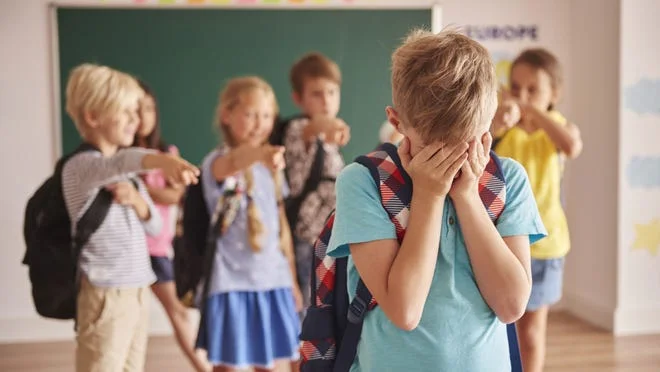
How can you understand that your child has fallen prey to thunder
Periskopi(6 years ago)
(6 years ago)In a Real Simple article, experts explain some of the signs that may be evidence that a child is faced with confusion: Your child no longer likes what he liked when your child loses interest in toys, food, activities, without which you previously could not do, be attentive. This case may not be 100% [...]
In a Real Simple article, experts explain some of the signs that may be evidence that a child is faced with confusion:
The child no longer likes what he liked
When your child loses interest in toys, food, and activities that he did not have before, be attentive. This case may not be 100% a sign of thunder, but it should be considered. Tell him you noticed he's demoralized and ask him to talk to you about it.
“But when you start having a sense of hopelessness, a lack of joy and the spark of life, that's something to worry about. It's something that should move you to look deeper into your child... It may not be the cause of confusion, it could be many more. There is no way to find out why without asking.”, experts say.
Instagram obsessed, end account
The director of Cyberbulling Research Center, Justin Patchin, says that when children no longer use technology as before or social networks, then we can have a sign that he is affected by virtual lynism. Someone who stays in Snapchat for hours can't ignore the phone all day.
Headache or stomach pain begins
The stress of kindness can make children feel uncomfortable physically, and headaches and stomach pains are common complaints, says Jan Ubanski, director of the Safe and Human Schools programme at Clemson University.
“Control whether it always happens on math class, or on course”, she says. “Check if it happens in that particular environment”.
Children who are mistreated by peers may happen to pretend to be sick to avoid resorts where they can be “hurt”.
You're not talking to friends.
Anger is normal, children often change friendships. But the question arises: What are the causes? So you need to talk to them so that you can understand the real cause.
There will be some changes in society during adolescence”, experts say. “This is normal, but talk to your children to see if there was just a cold, there was a typical conflict of this age, or there is something more serious”.
He's not going to school or training.
If a child gives up on extra - school activities, goes to school late, spends hours, or wants to quit, he may be a victim of lullism.
He doesn't like himself.
Bullism can lower self-esteem. Victims go so far as to believe the problem lies with them.
From victim to “aggressor”
It may seem unlogical, but some victims end up dealing badly with other children.
“As an answer to the terror they suffer, they can choose to become bulyists for another”, experts say.
If you realize that your child is persecuting a classmate or a friend, he should take on responsibilities, but also ask whether he is attacked or attacked in the past. Those early problems can often be overlooked.