13 hours ago
10 signs that your body is suffering from lack of vitamin B12
Periskopi(6 years ago)
(6 years ago)The lack of vitamin B12 is one of the most common nutrients. Two main reasons for this situation are practices often taken to improve health - a strict vegetarian diet and weight - loss surgery. B12's lack of blood has a wide variety of symptoms because of the fact that vitamins B12 [...]
The lack of vitamin B12 is one of the most common nutrients. Two main reasons for this situation are practices often taken to improve health - a strict vegetarian diet and weight - loss surgery. B12's lack of blood has a wide variety of symptoms because vitamin B12 is an energy center for multiple body functions. In a disappointing way, many people were given “to” these stress symptoms or to be very busy.
We've listed 10 major symptoms of lack of vitamin B12. Check them to see if you need more vitamin.
Weaking, headaches, fatigue
According to Michael Roizen, the wellness chief of Cleveland Clinic Institute, weakness and fatigue are one of the most common symptoms of B12 levels. When your vitamin supply decreases, your body produces fewer red blood cells needed for oxygen distribution. As a result, you feel sleepy, tired, exhausted, and even relieved of your head.
Many people confuse such symptoms with a poor bedtime, long working hours, and stress. However, if your overall condition is getting worse, consult your doctor and take a blood test to check your B12 level.
Gulchim
One of the possible physical signs of vitamin B12 inefficiency is gasp during exercise. Vitamin B12 contributes to the production of hemoglobin protein oxygen transport into your bloodstream. Vitamin disorders can reduce the flow of oxygen in your tissues by causing anemia that leads to panting and weakness.
Contact your doctor for a physical test if you suffer inexplicable fatigue, palpitations, gasp, language injuries, or any other symptom of the lack of vitamin B12.
Neural damage and feeling of “hons and needles”
The absence of B12 could exacerbate nerve cells, leading to a sense of piercing of legs and hands. If you ignore it, the symptoms will become permanent and will become inconsistent. In the nervous system, vitamin B12 is essential for the formation of myelin, a white garment around nerve fibers that increases the speed of impulses. Lack of vitamin B12 can result in bone marrow degeneration, optical nerves, cerebral tissue, and peripheral nerves.
Without B12 protection, spinal cord nerves can be damaged and you will feel tired. As a result, you will be stumbled and lose your balance more often when you walk on flat surfaces.
Pale or yellow skin
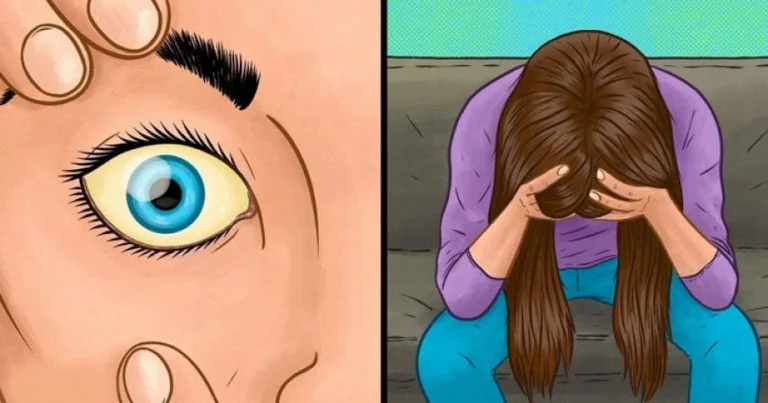
Another physical indicator of a low level of vitamin B12 is yellows in your skin or white eyes. The production of red blood cells depends on vitamins B12. The irregular production of red blood cells causes an anemic condition called megaloblastic anemia.
In this state, red blood cells are large, fragile, and unable to separate. They are too large to pass from bone marrow and blood flow. Hence, you do not have so many red blood cells that circulate through your body, and your skin may appear pale.
Bilirubina is a slightly red or brown substance produced by the liver when old blood cells are damaged. The large amounts of bilibuna, which are trying to destroy large red blood cells, are those that give your skin and your eyes a yellow shade.
Inflammatory, flammable tongue
If you are a vegetarian, have some digestive disease, or consume too much alcohol, you risk a deficit in vitamin B12. The oral manure of the absence of B12 in your blood is the glostite characterized by a meat tongue, red. Since your body doesn't have enough vitamin B12, the DNA synthesis is damaged.
As a result, the epithelial cells of the mouth start to divide quickly and cause the gloss, the triangular cell, the repeated mouth ulcers, and the oral candian. The symptoms of glossitis can get worse with time.
If you observe any of these symptoms, try to change your eating habits, and you include more animal products such as meat, birds, fish, shellfish, eggs, or cereals rich in B12.
Caption, loss of appetite, gas
There are many different reasons that can cause digestive problems like constipation or gas, and a deficit in vitamin B12 is one of them. If ignored, a lack of B12 can lead to chronic constipation, stomach pain, gas, diarrhea, and loss of appetite. Low levels of vitamin affect the normal function of gastroinstinal lesions. To restore the normal level of vitamin B12 and to relieve the constipation, you may receive an addition to vitamin B12.
Most people with a lack of vitamin B12 have a lack of internal factors, a protein secreted by the stomach that is necessary to absorb vitamin B12. She joins vitamin B12 and takes it into her bowels. Because of its absence, your digestive system cannot absorb B12. In this case, all you can do is take injections of vitamin B12.
Loss of Vision
A lack of vitamin can lead to optical neuropati and visual deterioration, since vitamin B-12 plays an important role in nerve function and nervous systems. Loss of vision may be diagnosed with people who suffer from malnutrition or who do not consume animal products.
Recent research showed that the combination of Vitamina E, DHA and Vitamina B12 improved visual fields and the sensitivity of the retina to patients with glaucoma. In general, long - term acquisition of B12 extensions reduces the risk of blurring the brain and visual keenness.
Depression, Behavior Changes
It is natural that the lack of some vital vitamins can lead to depression and changes in behavior, and B12 is no exception. The lack of vitamin has a huge impact on the production of serotonin in your brain. Serotonin helps to promote spirituality.
If you have low levels of vitamin B12, talk to your doctor and try to find out which treatment plan is best suited. In most cases, obtaining B12 appendix can significantly improve the mood.
Frozen Bones
Like calcium and vitamin D, vitamin B12 plays a very important role in forming cells for body bones, osteoblasts. The lack of vitamin B12 compromises their right work and can lead to osteoporosis. The disease is characterized by fragile, weak bones as a result of the loss of tissue caused by the lack of nutrients.
Accelerated bone loss can lead to bone damage and fractures. Older ones are in greater danger than anyone else, which is why having regular blood tests is necessary for them.
Mild Symptoms in the Elderly
The lack of vitamin B12 is estimated to affect 10-1.5% of people over the age of 60. People may be severely lacking or may have a basic health condition that causes their B12 to drop. Surprisingly, many elderly people usually do not have the main symptoms of a B12 absence or are found in a delicate way. However, it is a fact that the absorption of protein - related vitamin B12 can be reduced to age.
Don't delay treatment. The worst-case scenario can result in mental confusion, degeneration and a decline in mental abilities (remember, judgment). Simple examination and a blood test are all you need to understand if you have this defect. It is recommended that you take the right amount of vitamin B12 with additions or fortified foods to increase the absorption of nutrients from the digestive leaf.
Are you in danger?
Since most B12 in our diet comes from animal products, vegetarians are in danger of B12's absence. Inflammatory bowel disease and cellic disease, chronic weight loss surgery, and alcoholism can prevent a person's ability to absorb needed nutrients. The elderly have more problems with the inhalation of nutrients as well.
If you have moderate symptoms, you can start a blood test and talk to your doctor. If you need, take an oral B12 supplement, a nose spray with vitamin B12, or injections of vitamin B12, which you'll need less often.